The Angelus: Our Newsletter
Volume 23, Number 24
FROM THE RECTOR: GOD’S LOVE AND FORGIVENESS
In 1976, the Reverend Dr. Charles P. Price (1920–1999) was asked by the Standing Liturgical Commission to draft a document on behalf of the commission. When completed, Dr. Price’s work was issued with the following rather lengthy title, Prayer Book Studies 29: Introducing the Draft Proposed Book: A Study of the Significance of the Draft Proposed Book of Common Prayer for the Doctrine, Discipline, and Worship of the Episcopal Church (1976). I was a brand-new Episcopalian back then, and Prayer Book Studies 29 helped me to understand the services that were coming our way and to appreciate the scholarship and work done over many years to produce the new Prayer Book. The Draft Proposed Book of Common Prayer (1976) would gain wide acceptance across the church after it was approved by two consecutive meetings in 1976 and 1979 of the General Convention.
Read MoreVolume 23, Number 23

FROM THE RECTOR: MAY 2021
In the rectory, there is a collection of bound copies of the former parish magazine Ave and bound copies of service bulletins from 1917 through 1976. One of Saint Mary’s traditions that I encountered when I came here was the crowning on a Sunday in May of the statue of Our Lady before the conclusion of the Solemn Mass. This May devotion to Mary began here in 1936. This is the note about the service of Evening Prayer that was held on Sunday, May 17, 1936:
Read MoreVolume 23, Number 22

FROM DR. DAVID HURD: THE ORGAN AT SAINT MARY’S
The organ at Saint Mary’s is deservedly known as a world-class instrument; praised by organists and those who appreciate organ music far and wide and recognized as one of the treasures of the parish. It has supported decades of inspiring music and been recorded by an array of concert organists. It was originally installed in 1932 as Opus 891 of the Aeolian-Skinner Organ Company of Boston, under the direction of the legendary American organ builder G. Donald Harrison. Revisions to the instrument have occurred in 1942 and, more recently completed in 2002, under the direction of Lawrence Trupiano, who continues to keep the instrument in excellent working order.
Read MoreVolume 23, Number 21
FROM THE RECTOR: ONE MONTH AT A TIME
For many years during the summer months, I have drafted the monthly clergy schedules for colleagues and the monthly service schedules for the parish website for the coming year. I have just reworked the May 2021 service schedule for the website using the May 2020 schedule that I drafted in the summer of 2019 as a starting point. It will come as no surprise that the schedules for May 2020 and May 2021 are much simpler than the one for May 2019.
Read MoreVolume 23, Number 20
FROM THE RECTOR: CHARLES EDWARD JENKINS III, Bishop, July 27, 1951–April 9, 2021
The Right Reverend Charles Edward Jenkins III, X Bishop of Louisiana, died at home in St. Francisville, Louisiana, on Friday night, April 9, 2021. He was 69 years old and succumbed to pancreatic cancer. He is survived by his wife Louise Jenkins, their son Edward and his wife Beth, and their daughters, and his son Benjamin. Charles was a gifted pastor and intensely loyal to the church. He knew how to laugh and to tell and retell stories. He will be greatly missed by those whose lives he touched. I hear his voice and his laugh in my mind. I hear him saying the names of his wife, his sons, and the friends we shared. I visited Louise and Charles many times in New Orleans. My husband Richard Mohammed and I were guests at their home in retirement. So many will miss him so much.
Volume 23, Number 19
FROM THE RECTOR: EASTER 2021
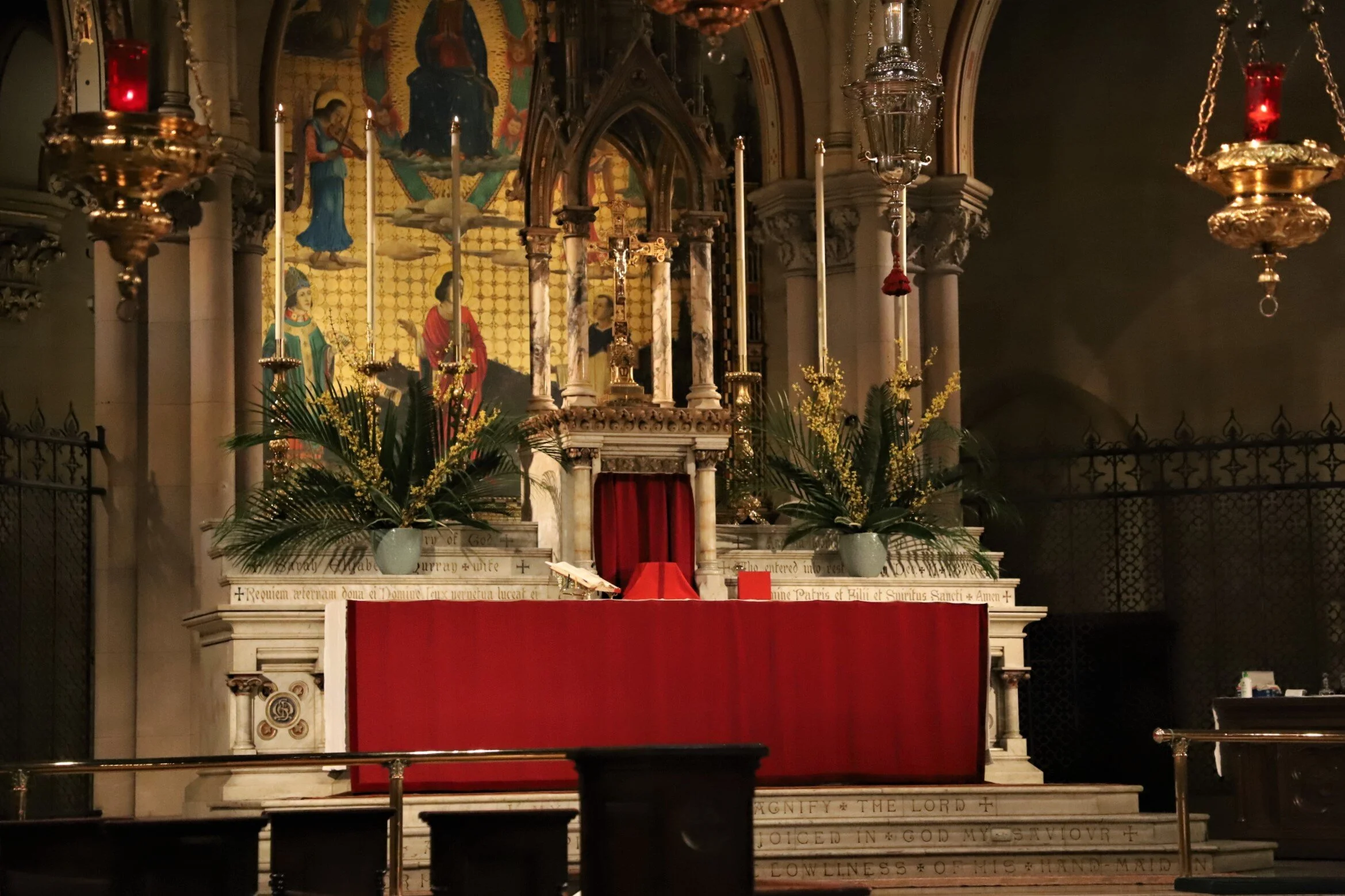
I write on the afternoon of the Sunday of the Resurrection. It’s been a hectic and glorious week for colleagues, staff, and volunteers at Saint Mary’s. My thankfulness and pride for how the week unfolded makes me happy and peaceful. From Palm Sunday through Easter Day, we celebrated the rites of Holy Week with integrity. I was especially pleased with our celebration on Easter Eve. We began at 6:00 PM because of concerns about safety in the city for those coming here to worship. No one in the church at that hour would not think that the sun had not already set—it was that dark.
Read MoreVolume 23, Number 18
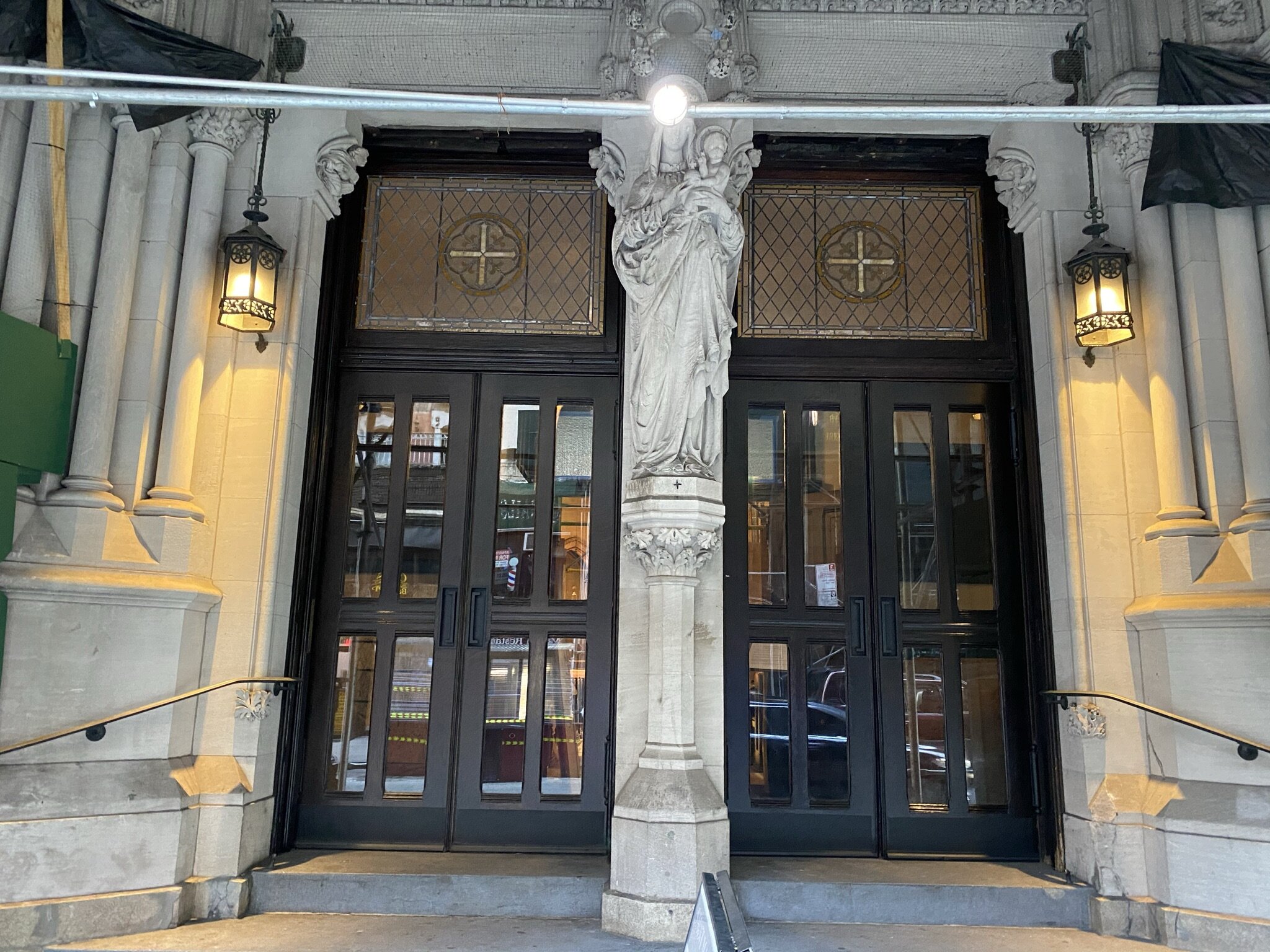
FROM THE RECTOR: HOLY WEEK BEGINS
Last year, when Saint Mary’s was closed for public worship between March 15, and June 30, 2020, Br. Damien Joseph’s knowledge of live-streaming opened up a new ministry for us: online worship. As I write to you on Friday afternoon, March 26, the Easter 2021 Appeal packet is in the mail. As you will see, the appeal concerns the acquisition of the equipment needed to support and expand this ministry for people who know us and those who may be seeking an online worship community like our own. You can read about it and make a donation here.
Read MoreVolume 23, Number 17
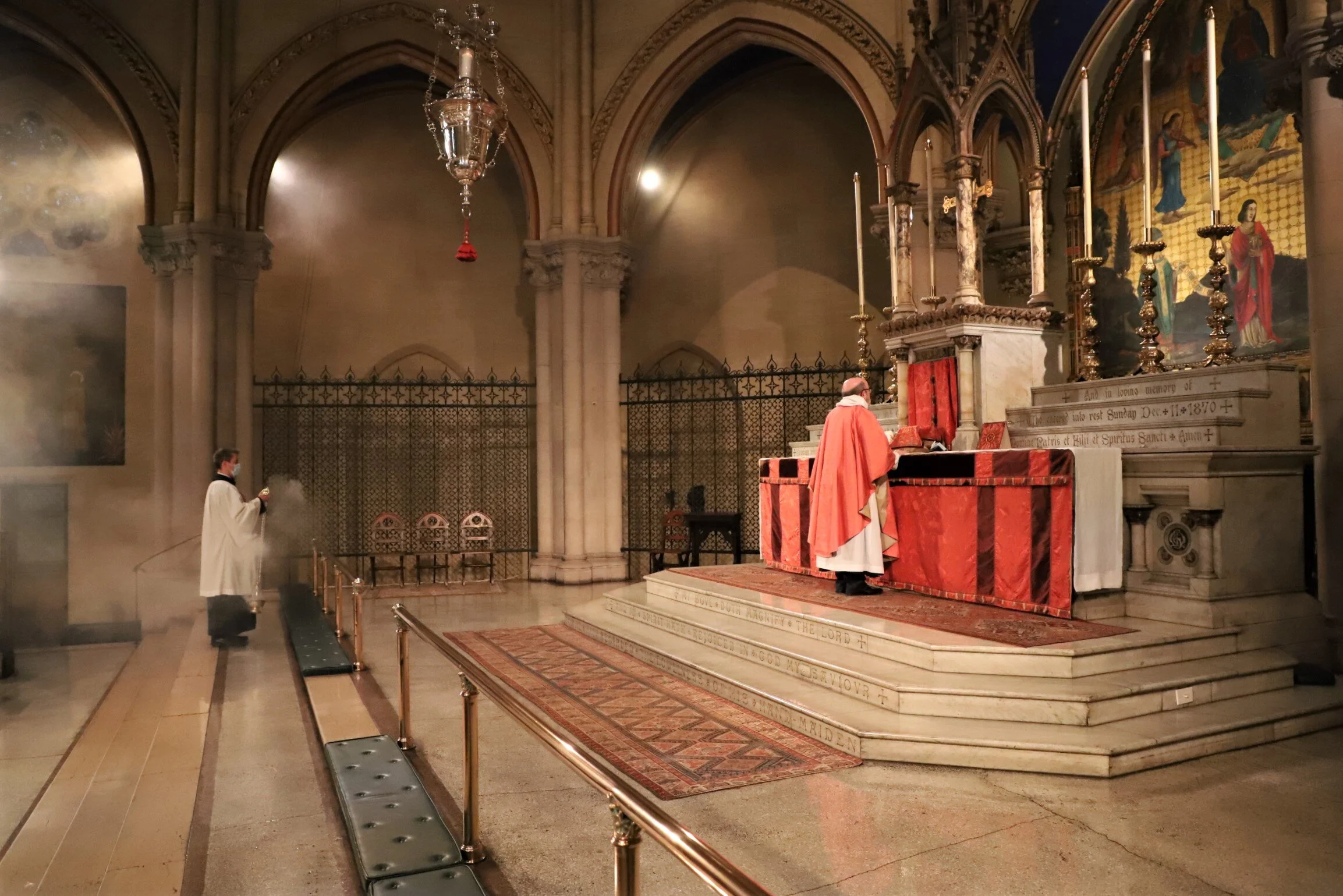
FROM THE RECTOR: TRANSITION
Brother Desmond Alban SSF told the members of the staff at one of our recent meetings via Zoom that the members of the Society of Saint Francis, Province of the Americas, would soon be holding an important chapter meeting to discuss the Society’s structure and common life. He said that they would be discussing the future of the Society and, in particular, the issue of sustainability. At present, the Society has three friaries in the United States, one in San Francisco, one in Los Angeles, and a third here at Saint Mary’s. Father Jay Smith and I have, therefore, been aware that we might soon be hearing news that would affect all our lives here at the parish.
Read MoreVolume 23, Number 16
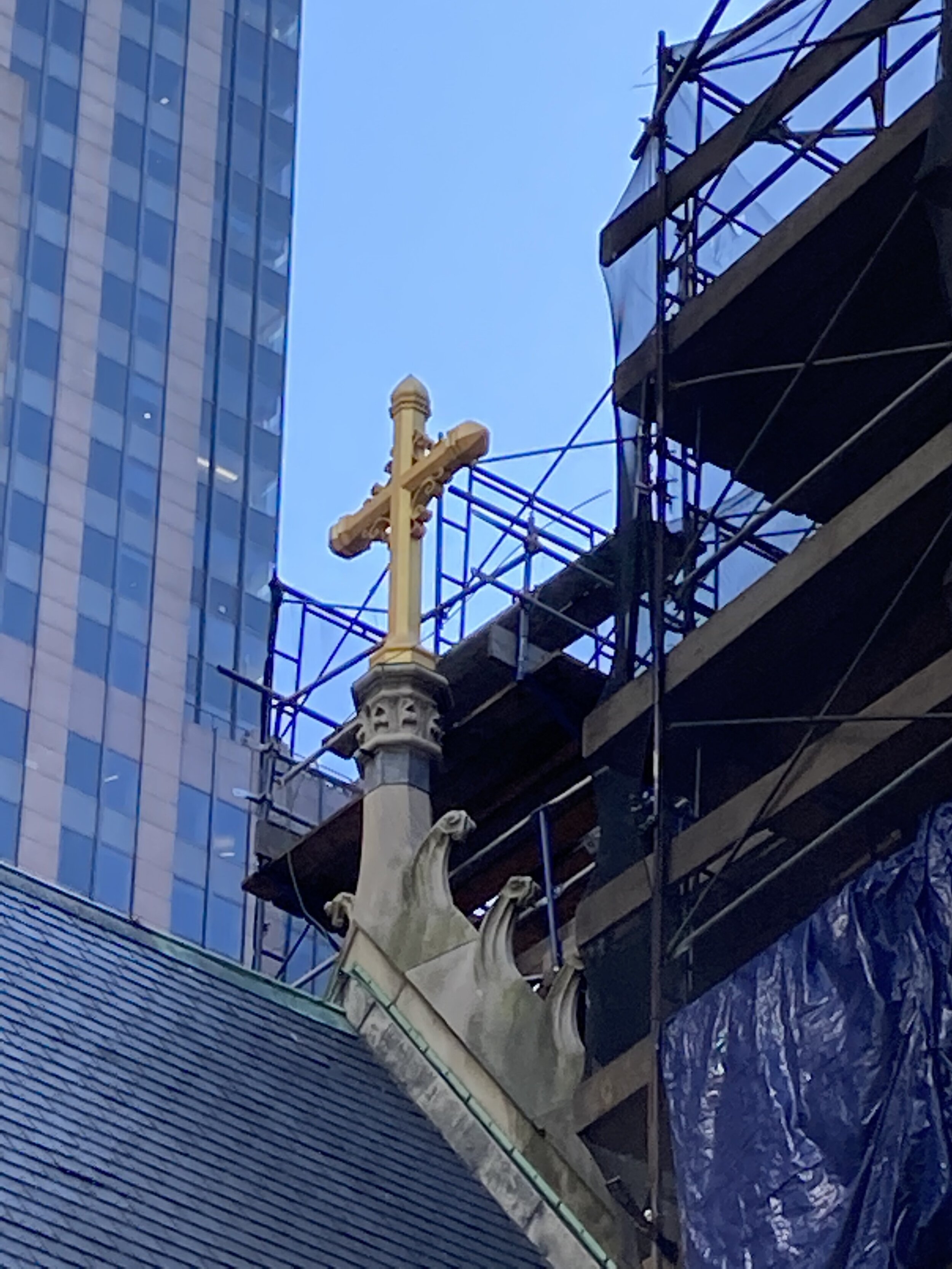
FROM THE RECTOR: HOLY WEEK AND EASTER AHEAD
Music—organist, cantor, and, as needed, a quartet—has made Lent special this year. I was afraid that the absence of congregational chant and hymnody on Ash Wednesday would be a particularly painful loss. So, it was wonderful to experience the ways in which the music we heard that day somehow made up for what was lost. There was an appropriate modesty to Dr. David Hurd’s programming that made Ash Wednesday, though we had no ashes, feel more than complete. It was clearly the First Day of Lent—and it certainly felt like it during Mass that day.
Read MoreVolume 23, Number 15

FROM THE RECTOR: ALL ARE ESSENTIAL
Last week I had the chance to read one of the well-known devotional writings on the Eucharist with a newcomer to the parish community. I’m speaking of Dom Gregory Dix’s words in his book, The Shape of the Liturgy (1945). The famous passage begins with these words, “At the heart of it all is the eucharistic action, a thing of an absolute simplicity—the taking, blessing, breaking and giving of bread and the taking, blessing and giving of a cup of wine and water, as there were first done with their new meaning by a young Jew before and after supper with His friends on the night before He died . . . He had told His friends to do this henceforward with the meaning ‘for the anamnesis’ of Him, and they have done it always since. Was ever another command so obeyed?” (page 743–744).
Read MoreVolume 23, Number 14
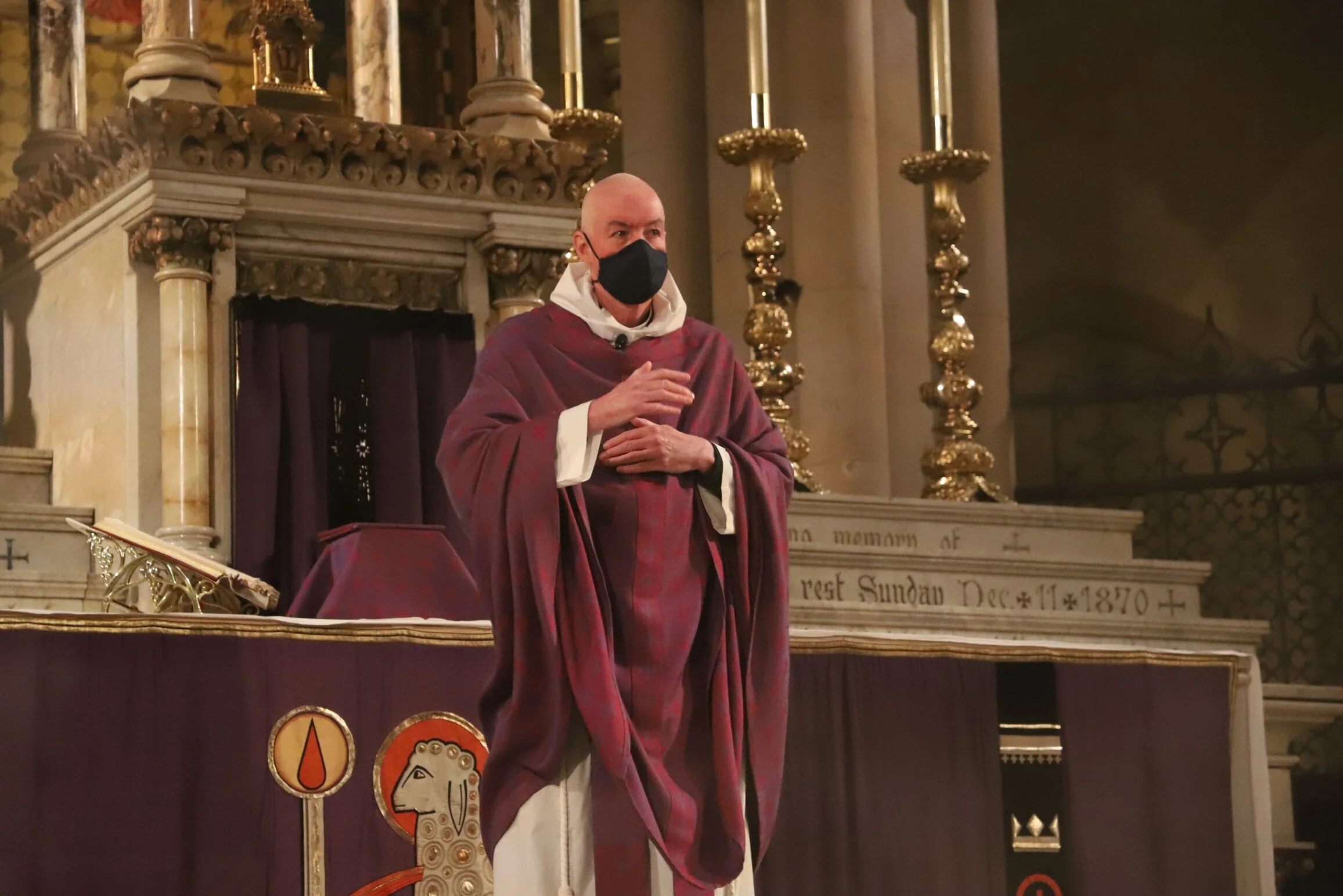
FROM DR. DAVID HURD: LENT, PRAYER BOOK, AND MUSIC
We are now in the second week of observing Lent. The Book of Common Prayer lists as “Days of Special Devotion” Ash Wednesday and the other weekdays of Lent and of Holy Week. The Prayer Book advises that these days “are observed by special acts of discipline and self-denial” (BCP, page 17). Note that Sundays are not included in the category of such “Days of Special Devotion.” While the Prayer Book goes on to include all Fridays of the year as “Days of Special Devotion” as a weekly remembrance of our Lord’s crucifixion on Good Friday, it reminds us elsewhere that “All Sundays of the year are feasts of our Lord Jesus Christ” in recognition of his resurrection on Easter Sunday. This “feast day” designation presumably then includes the Sundays in Lent. It may be noted that the 1928 edition of the Prayer Book, in its front material, contained equivalent characterizations of the days and seasons of the church year (pages L-LI).
Read MoreVolume 23, Number 13
FROM THE RECTOR: LENT AND HOLY WEEK 2021
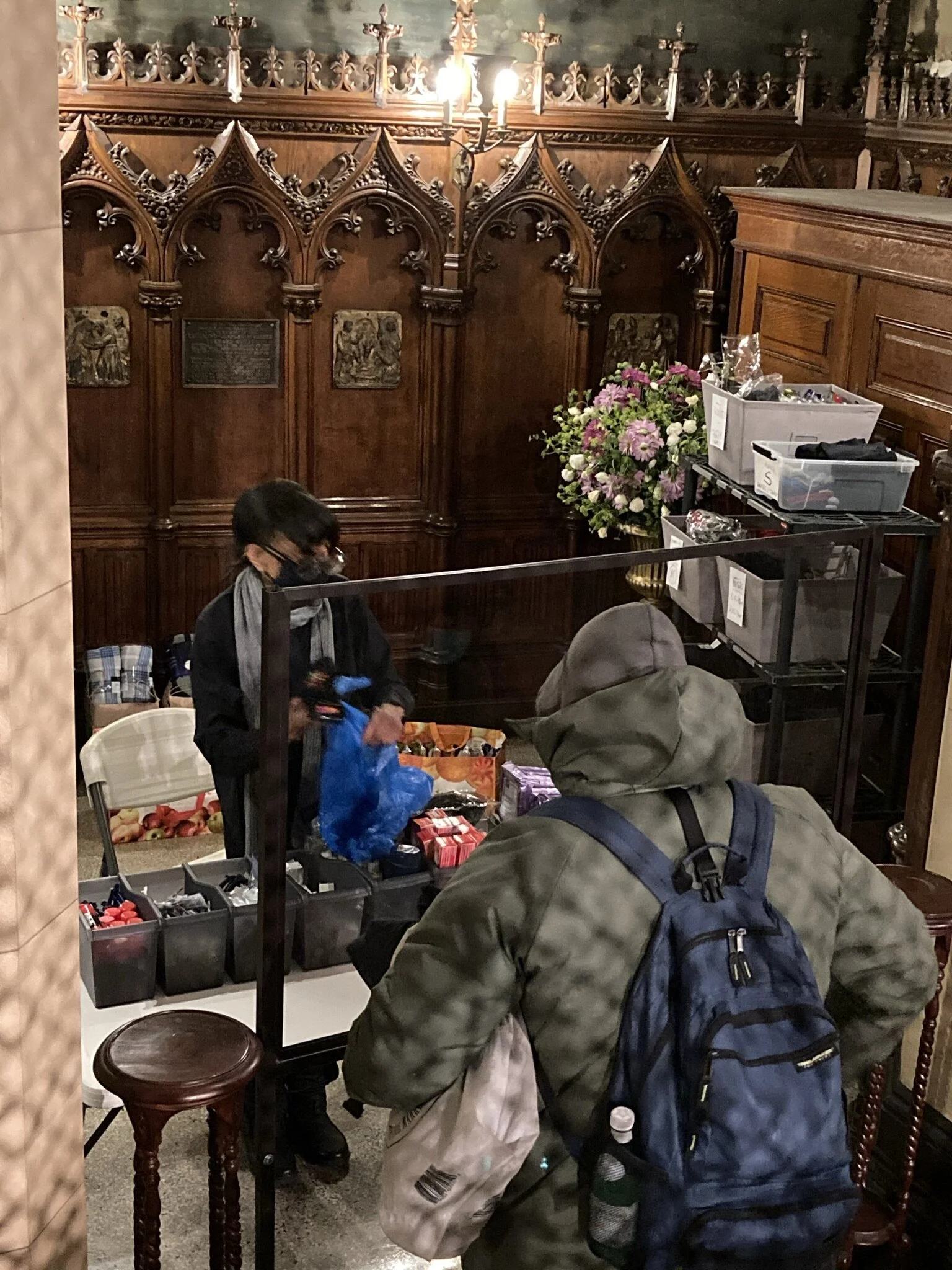
A year ago, few of us foresaw that the pandemic would still be with us in the spring of 2021. The shutdown last March emptied midtown Manhattan. As February 2021 began, I was hopeful that we could offer Evening Prayer and Stations of the Cross on the Fridays of Lent. But I don’t think we’re ready to be open in the evening. If I am walking home after dark by myself, I know that I need to be very careful about reaching the rectory. Until the pandemic was underway, I never carried the key to enter the locked doors of the church complex on West 46th. It’s a large key—I’m still not used to it being on my keyring.
Read MoreVolume 23, Number 12

FROM THE RECTOR: WORTHY TO STAND
The arrival of COVID-19 meant that the seat cushions and kneeling cushions in the nave pews needed to go. They could no longer be repaired and cleaned; they are gone. (There are some cushions left in the chancel that were bought about ten years ago. We have not thrown them away.) This notice has appeared in all service bulletins since we reopened for public worship on July 1, 2020: The members of the Congregation should feel free to stand, sit, or kneel, as they wish, and as they are able, throughout the celebration of the Eucharist.
Read MoreVolume 23, Number 11
FROM THE RECTOR: DYING IN THE TIME OF COVID-19
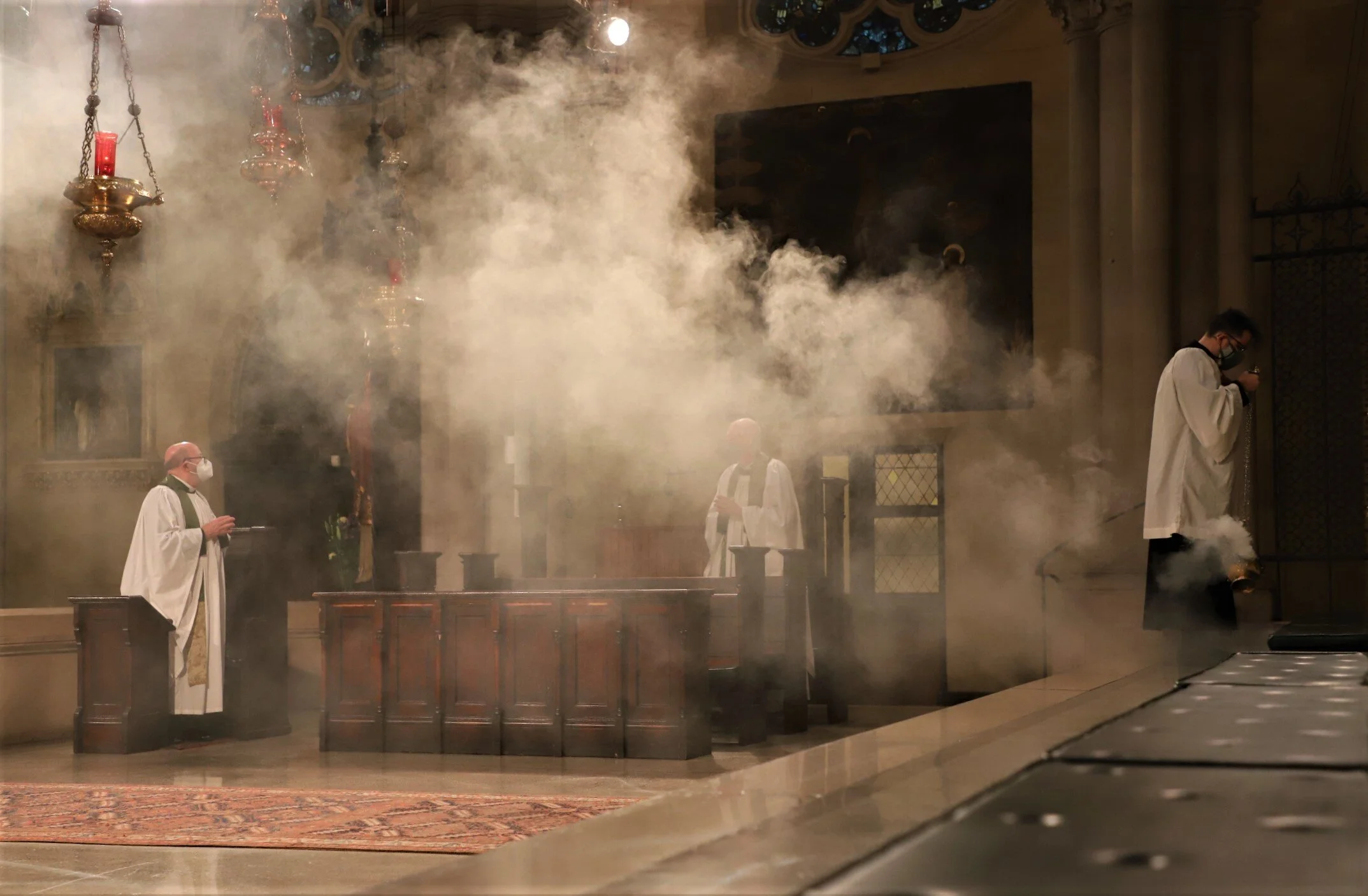
Father Edgar Wells was gravely ill at the beginning of June 2020. He died at home on Trinity Sunday, June 7. His companion, Evan Wong, was at home with him. His body was taken to the funeral home before we knew of his death. His body was cremated. Father Jay Smith officiated at the Reception of the Body and the Commendation of the Dead for him on Wednesday, June 17, at the Vault in the Lady Chapel. A Memorial Eucharist will be celebrated for him when it is possible for us to gather safely in church and sing. He will be buried at the Cathedral of St. John the Divine in a niche with his parents and a dear friend, the Reverend Walter Edgar Hartlove, who died in 1996.
Read MoreVolume 23, Number 10
FROM THE RECTOR: CANDLES, NO; ASHES NO; PALMS, YES
During announcements at Mass last Sunday, I spoke briefly about challenges for worship presented by the need for all of us to be vigilant about safe distancing. Our bishop has asked us not to impose ashes this year. We will follow his pastoral direction. I also mentioned that we would not be distributing and lighting candles on the Feast of the Presentation of Our Lord Jesus Christ in the Temple on Tuesday, February 2, and that we couldn't think of a way safely to distribute palms on the Sunday of the Passion: Palm Sunday, March 30. But someone else did.
Read MoreVolume 23, Number 9
FROM THE RECTOR: CHRISTIAN UNITY 2021
The Week of Prayer for Christian Unity has its roots in the Episcopal Diocese of New York. The Rev. Paul James Francis Wattson, S.A., born Lewis Wattson in 1863, was still an Episcopal monk and priest, in 1908 when he suggested that the week between the January feasts of Saint Peter and Saint Paul (now known as the Confession of Saint Peter on January 18 and the Conversion of Saint Paul on January 25) be observed as a “Week of Prayer for Christian Unity.” But Wattson, by that time, was on his way to Rome. In 1909, his Episcopal religious community, the Society of the Atonement, for men and women, the latter being led by Mother Lurana White, was received into the Roman Catholic Church as the Franciscan Friars and Sisters of the Atonement. He continued to work for reunion throughout his life. He died in 1940.
Read MoreVolume 23, Number 8
FROM THE RECTOR: LITURGY IN THE TIME OF COVID
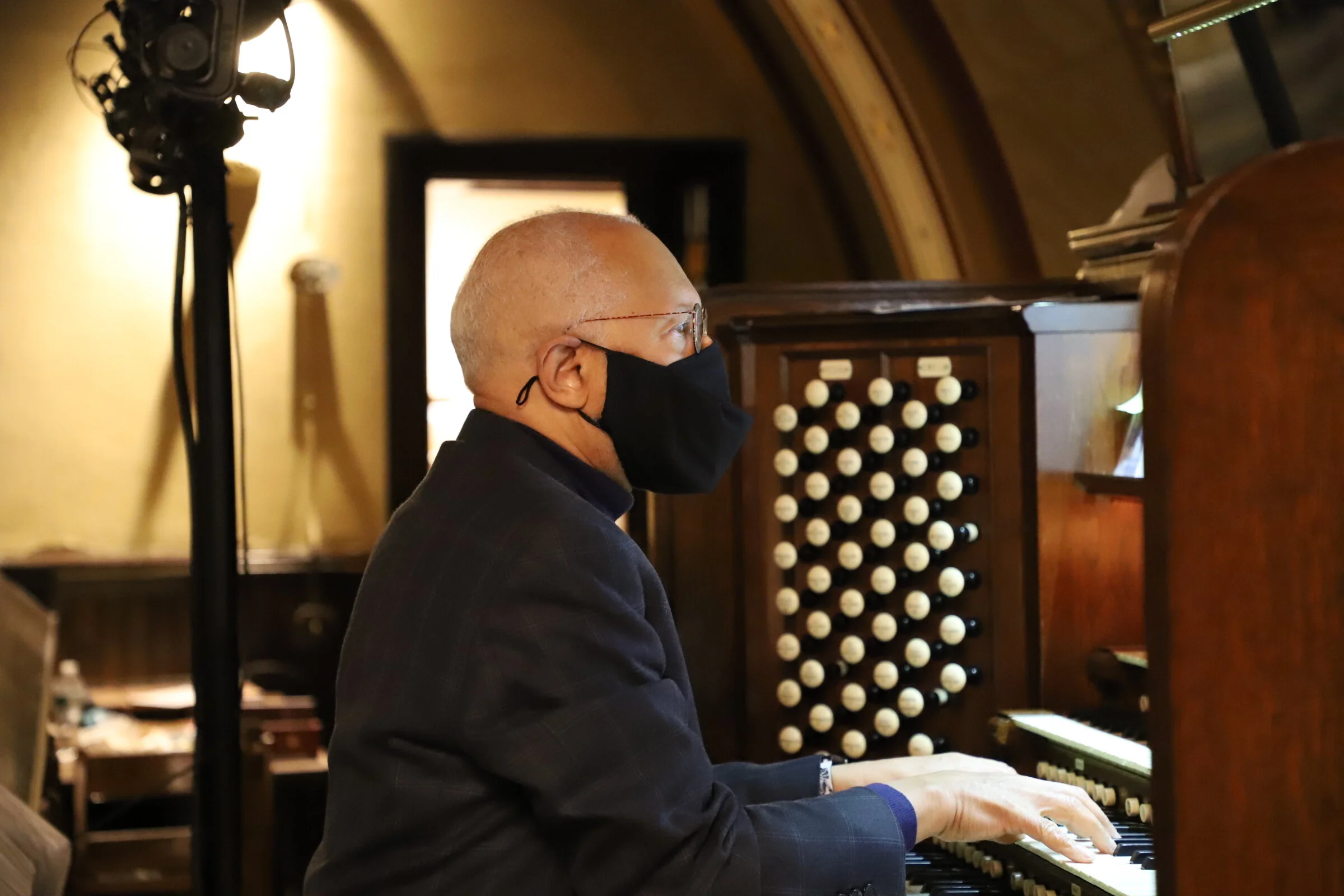
Since I became rector in 1999, Ash Wednesday has been by far the day of the year when the greatest number of people enter our church. Some come for the said Masses at 7:00 AM and 8:00 AM. It’s been our custom for Miserere mei by Gregorio Allegri (c. 1582–1652) to be sung during the imposition of ashes at the Sung Mass at 12:10 PM and the Solemn Mass at 6:00 PM. Many, many more just come to be marked on the forehead with ashes and to hear the words, “Remember that you are dust, and to dust you shall return” (The Book of Common Prayer [1979], 265).
Read MoreVolume 23, Number 7
FROM THE RECTOR: EPIPHANY 2021
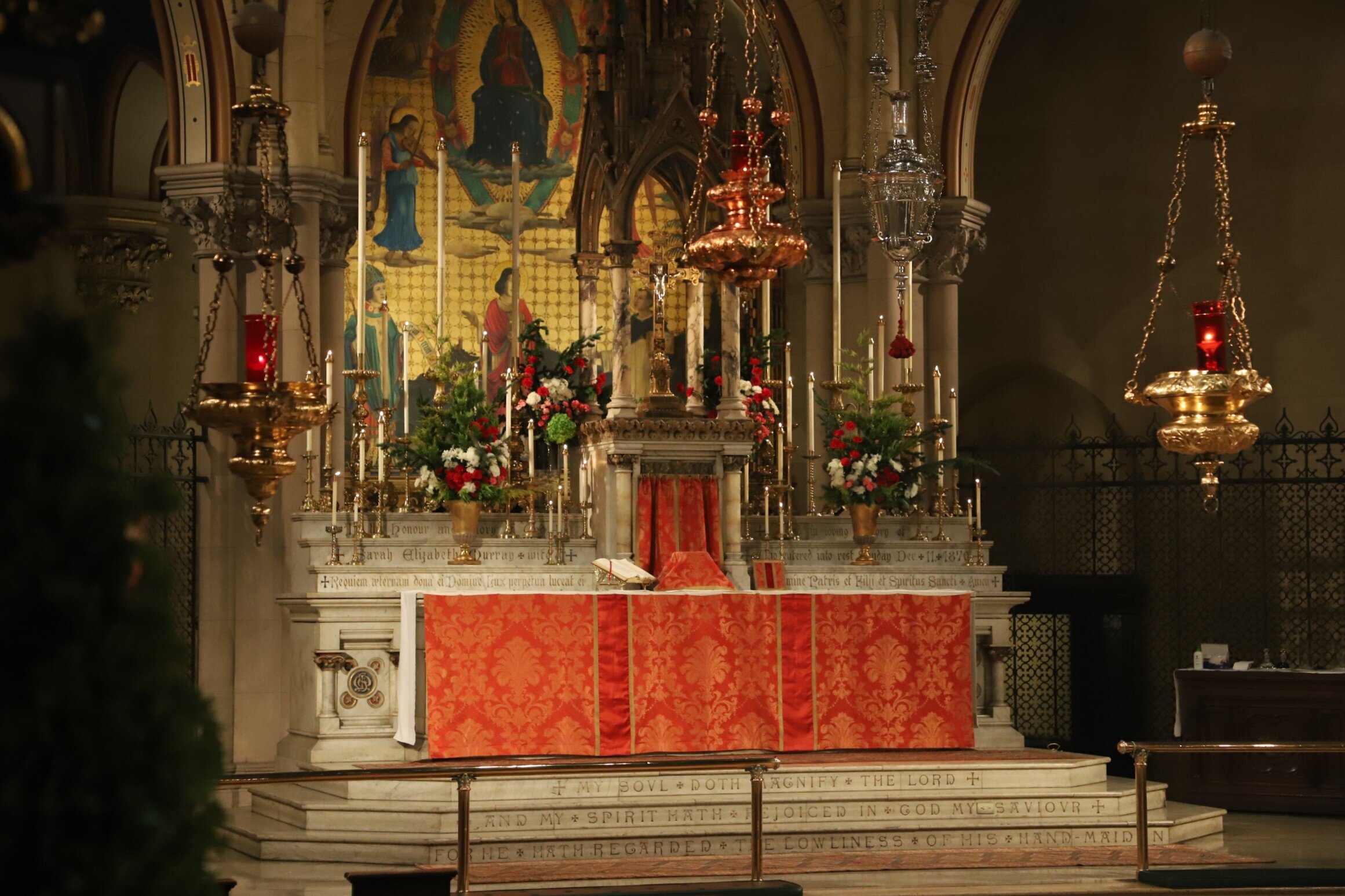
I usually go to the gym first thing in the morning, right after coffee and Morning Prayer. But Wednesday, January 6, was the Feast of the Epiphany. I was on my Sunday schedule: up early for coffee, Morning Prayer, and to finish writing a sermon. I got to the gym about 3:00 PM, entirely unaware of what was going on in Washington. I walked over to the rows of elliptical machines and treadmills. Above them is a row of five television sets. A mob of Americans had invaded the Capitol and shut down the Congress of the United States. My eyes teared up. The Capitol was breached “at 12:53 PM, led by a group in tactical gear” (“Riot at the U.S. Capitol,” Wall Street Journal, January 7, 2021). This had been going on for over two hours. How could the President, upon hearing this news, not immediately order whatever forces were on hand to secure the Capitol and then go to the White House Briefing Room to address the nation and condemn the insurrection?
Read MoreVolume 23, Number 6
FROM THE RECTOR: CHRISTMAS AND EPIPHANY
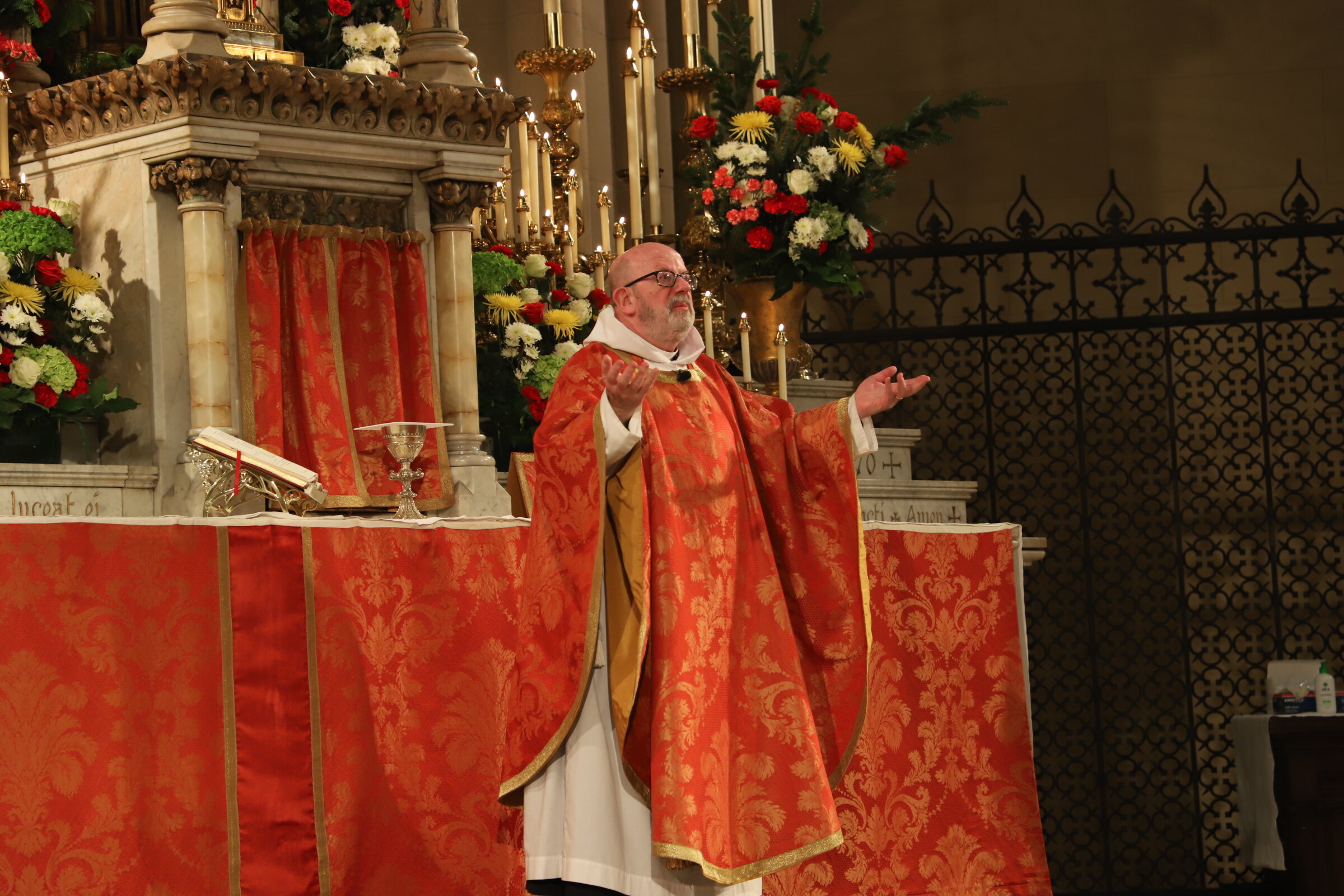
The Draft Proposed Book of Common Prayer and Other Rites and Ceremonies of the Church (1976) proposed three possible gospel lessons for the Second Sunday after Christmas Day. There had been no proper (that is, collect and lessons) for this Sunday in the medieval missals “though it occurs four years out of every seven” (Shepherd, The Oxford American Prayer Book Commentary [1950], 106-07). In 1928, the story of the return of the Holy Family from Egypt was appointed (Ibid.).
Volume 23, Number 5
FROM THE RECTOR: MATTHEW’S CHRISTMAS STORY
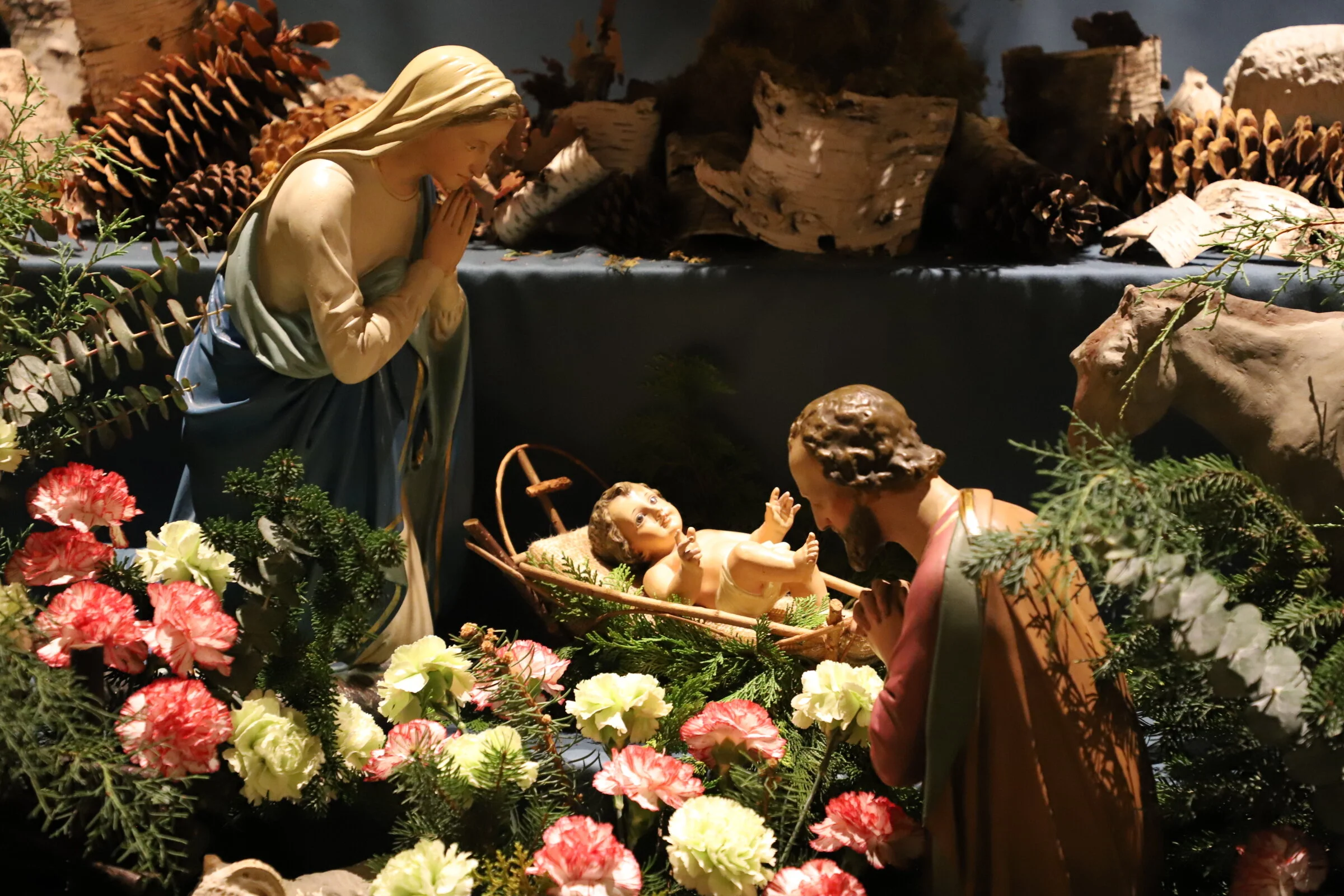
Prayer Book Studies 19: The Church Year (1970) described its decision to follow the Roman Catholic Church’s then-new lectionary and assign Matthew’s story of Jesus’ annunciation, birth, and naming (Matthew 1:18–25) to the Fourth Sunday of Advent in Year A. Since 1549, Matthew had been the gospel for the First Sunday after Christmas Day. Brother Thomas Bushnell BSG reminded me that though Luke’s story of Jesus’ birth was not read during Holy Communion, Morning Prayer, which included Luke’s story of Jesus’ birth, always preceded Holy Communion on Christmas Day (until the adoption of the 1892 Prayer Book—a subject for another day). The gospel for Christmas Day in the Christian West is anciently the beginning of John’s gospel. The present lectionary means that one of the two stories of Jesus’ birth is only heard at the Eucharist once every three years in Advent—and never at Mass during the Christmas Season.
Read More