The Angelus: Our Newsletter
Volume 28, Number 43
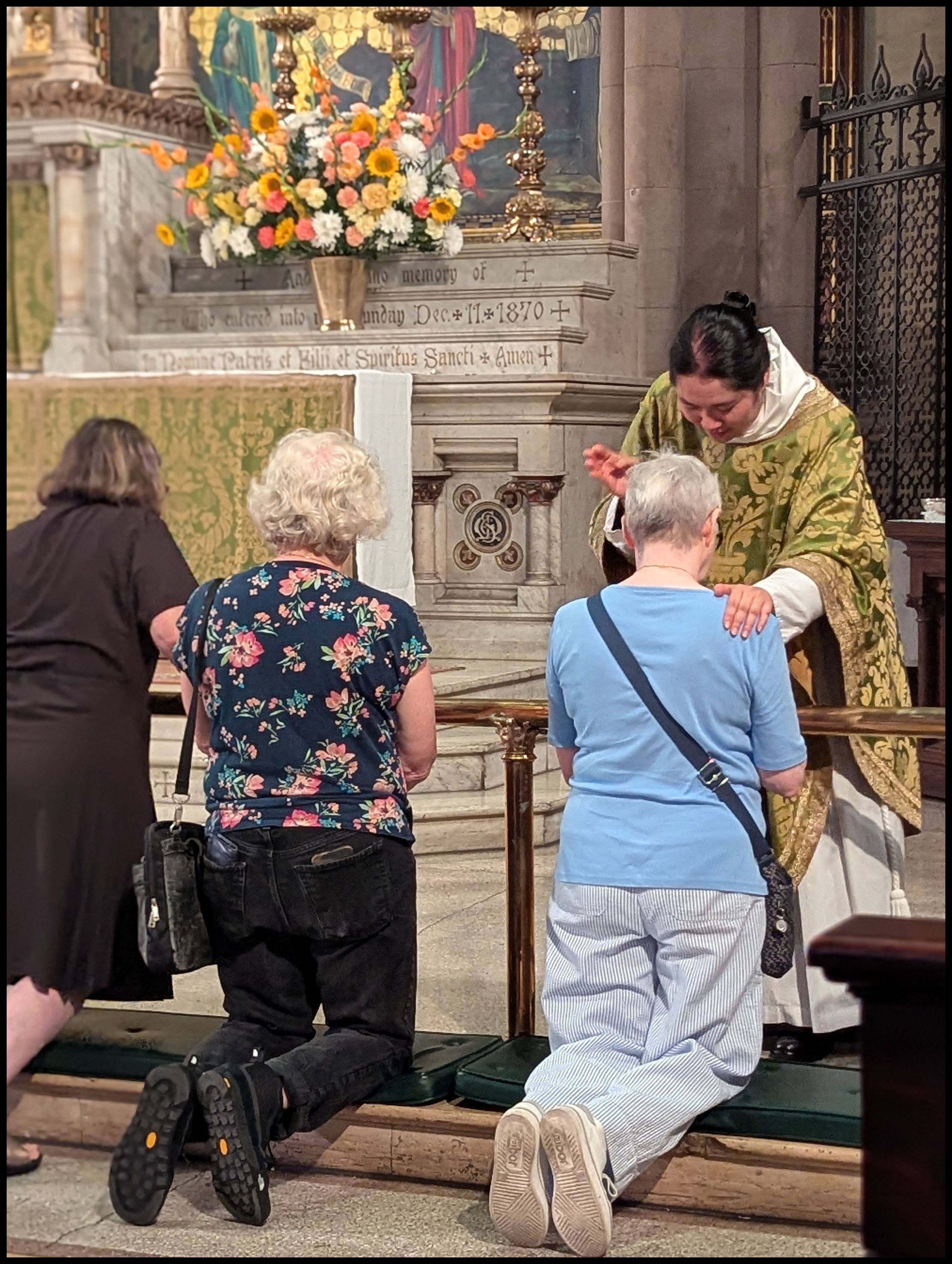
FROM THE VICAR: WHO ARE WE AS SAINT MARY’S?
Last Eastertide at Adult Formation, as part of our Year of Service, we looked to St. Catherine of Siena as a guide. Loving God through the love of our neighbor was a theme that we found to be pervasive throughout her writings and helped us think about service theologically. Another motif that comes up often for Catherine is the importance of knowing ourselves.
Read MoreVolume 28, Number 42

FROM THE RECTOR: ON THE 25TH ANNIVERSARY OF SEPTEMBER 11
In 1971, German artist Fritz Koenig cast the monumental bronze sculpture that would come to be called “the Sphere.” It stood between the twin towers of the World Trade Center from 1972 until the September 11 attacks, twenty-five years ago today. Originally dedicated to “world peace through trade,” the 20-ton artifact was the largest bronze figure sculpted in the modern era.
Read MoreVolume 28, Number 41
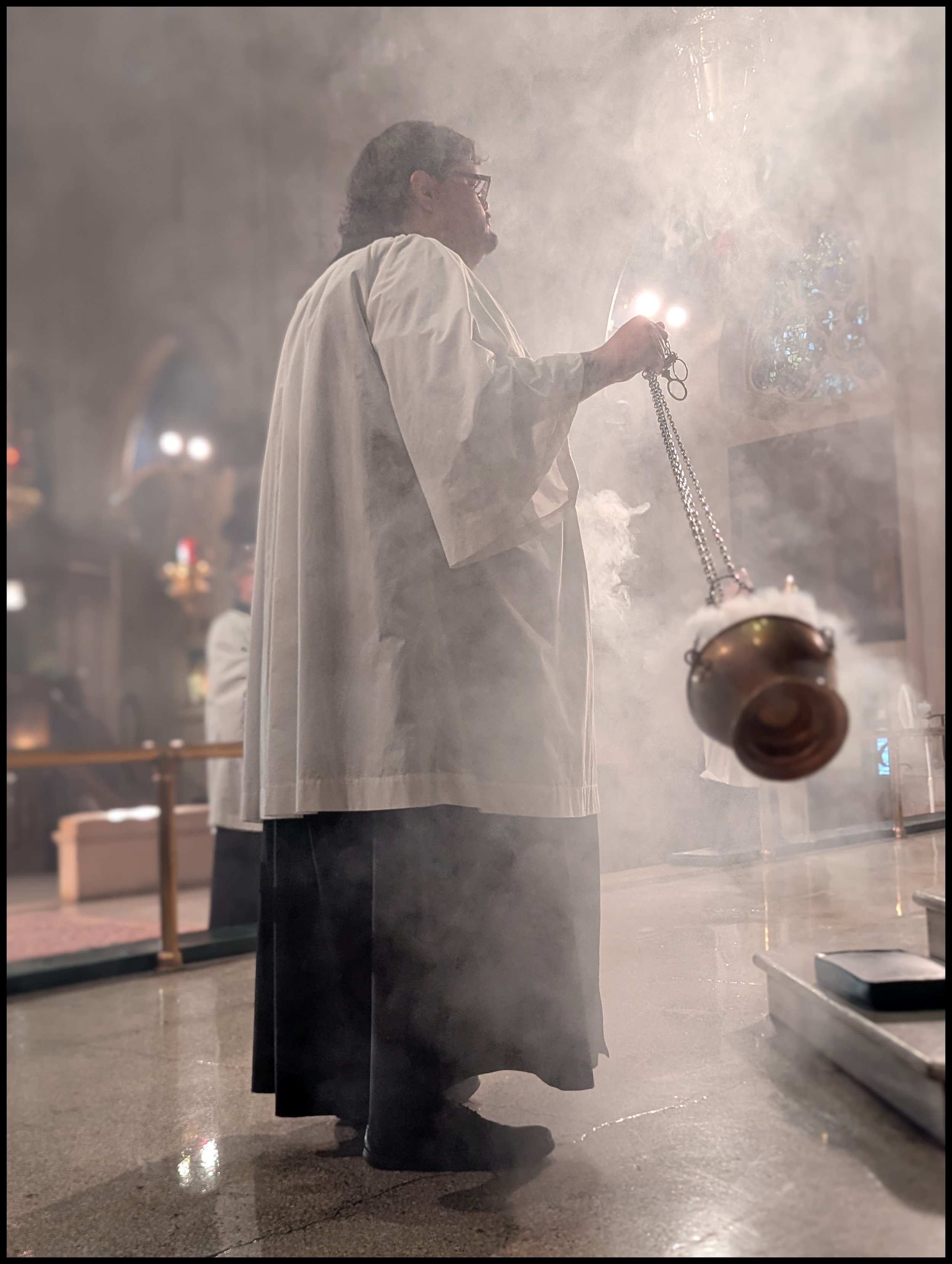
FROM KATHLEEN SCHMIDT, OUR NEW SEMINARIAN INTERN: ON RELATIONSHIPS
My name is Kathleen Schmidt and I am a second-year seminarian at the Berkeley Divinity School at Yale, a postulant for priesthood sponsored by the Diocese of Colorado, and it is an honor and joy to come among you, to worship God, and to learn and be formed as the Spirit wills.
Read MoreVolume 28, Number 40
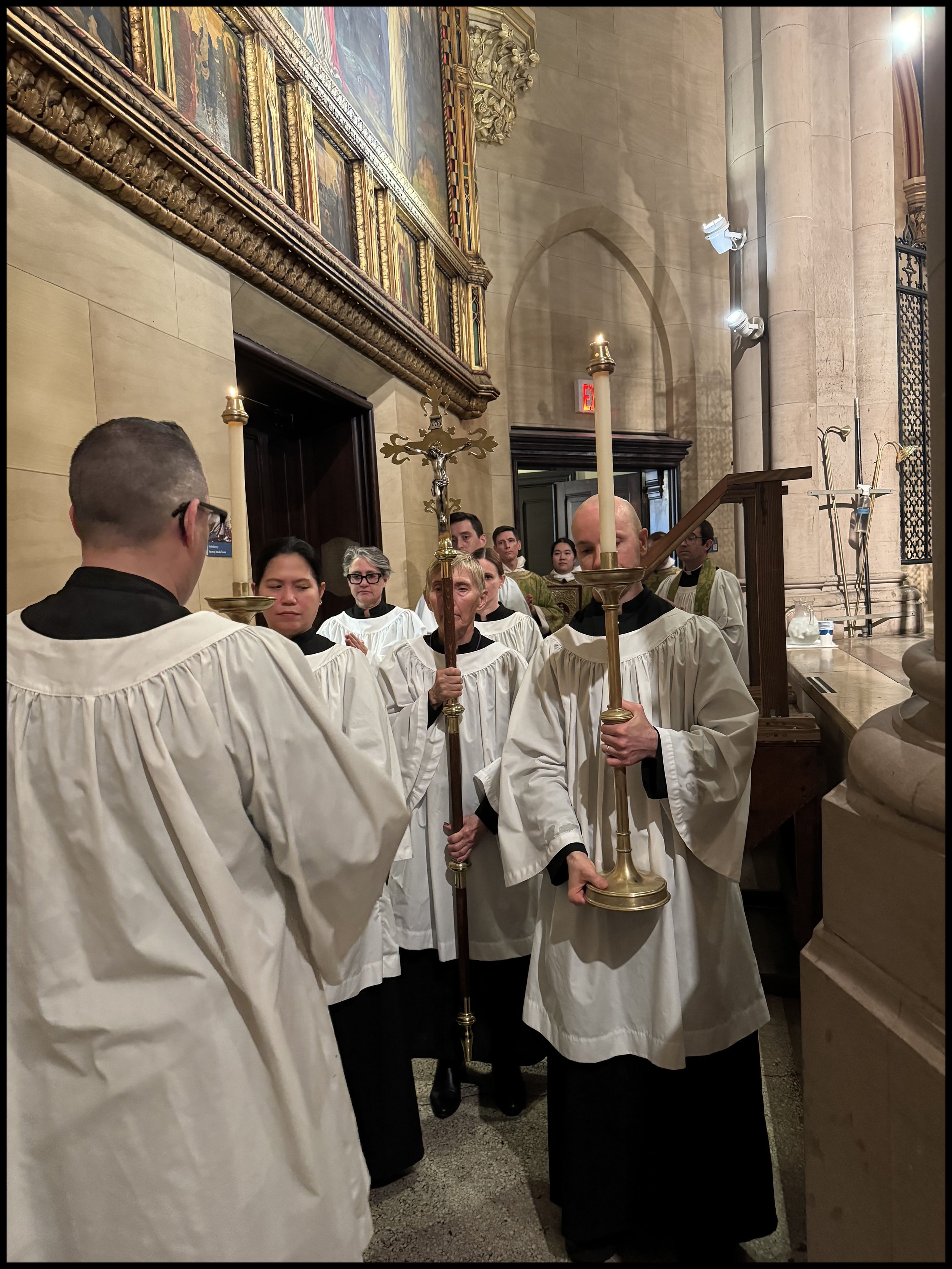
FROM THE VICAR: ON WEEKDAY SUNG MASSES
In 387, St. Augustine of Hippo decides that it is time for him to be baptized and moves to Milan, where he will be baptized at the Easter Vigil by St. Ambrose. In his classic work, Confessions, which was written about ten years later, Augustine describes the days immediately following his baptism as being filled with a “wonderful sweetness” as he meditates on Our Lord’s design for salvation.
Read MoreVolume 28, Number 39
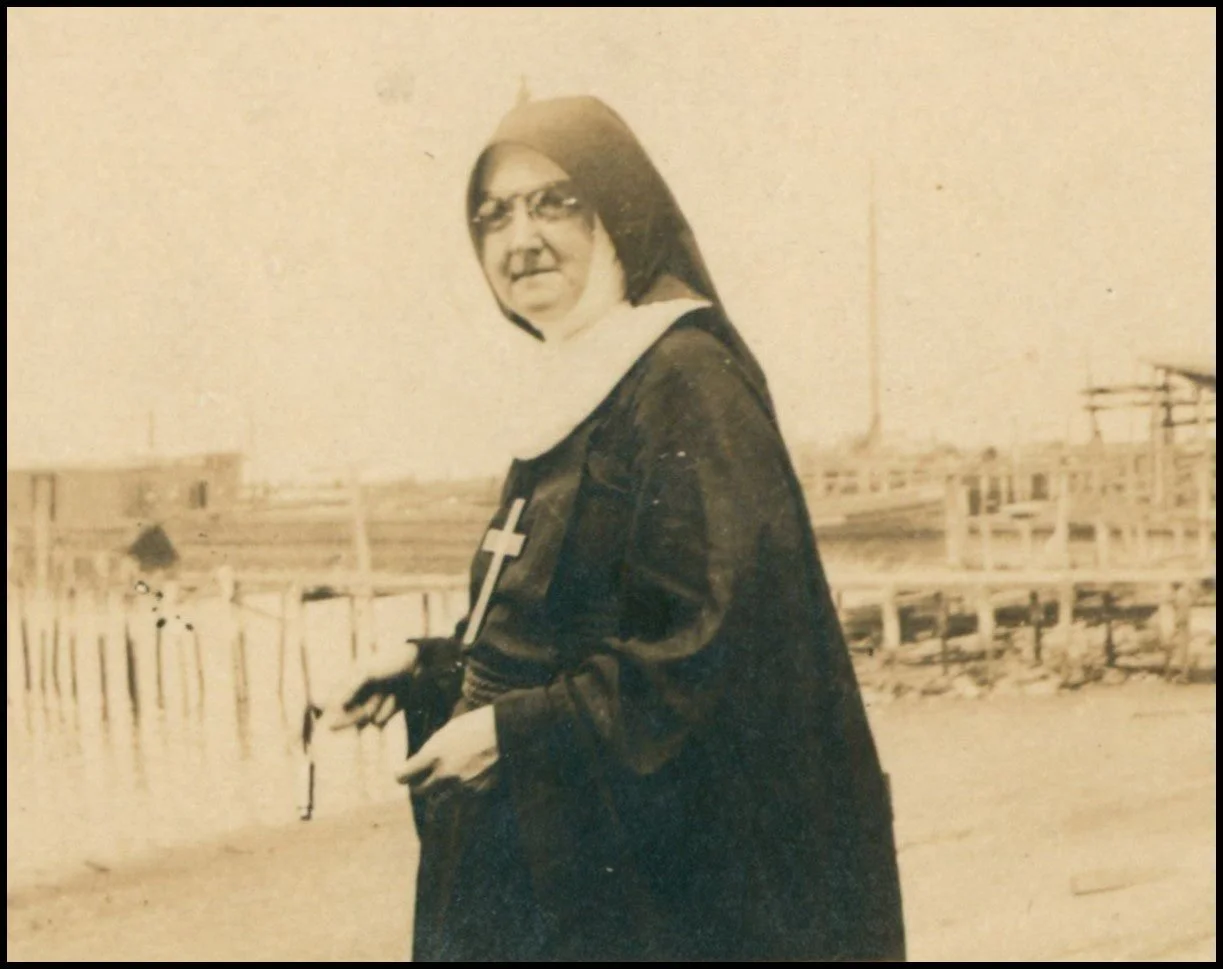
FROM PARISH ARCHIVIST MARY ROBISON: SUMMERING AT SAINT MARY’S 100+ YEARS AGO
It’s warm in the pews in the summertime here at Saint Mary’s! The ice cream social last week was fun to help us endure the heat after worship and, in our early years, the church offered beach time for parishioners through its summer homes on Long Island and in Keyport, New Jersey.
Read MoreVolume 28, Number 38
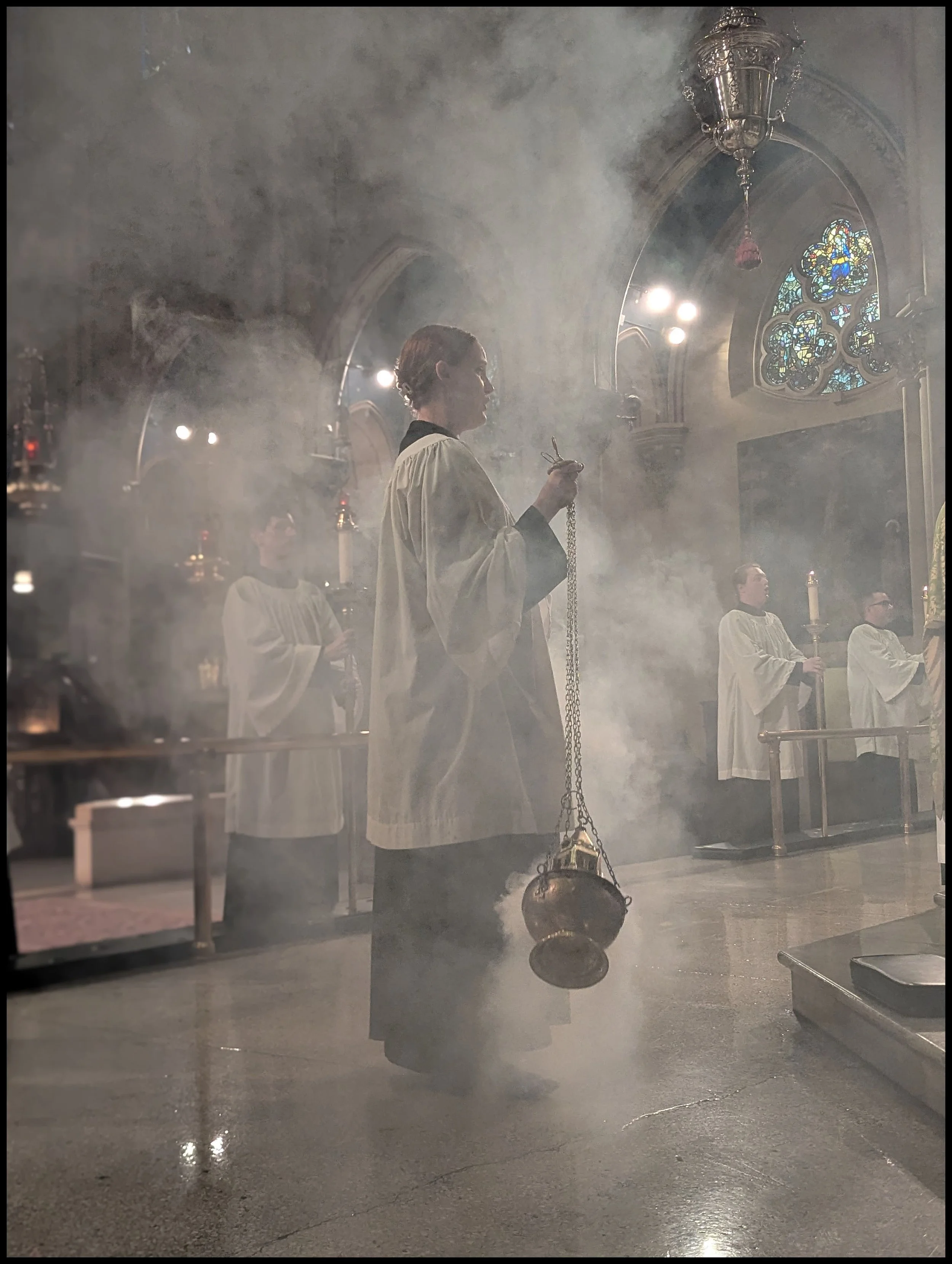
FROM THE RECTOR: HOLIDAY
As I scrolled through Instagram recently, my algorithm took me to a clip from the program BBC Sounds, a conversation between historians Alice Loxton and Ben Henderson about the origin of the word “holiday.” Of course, no self-respecting Saint Marian needs me to explain it comes from the Old English hāligdæg, combining hālig (“holy”) and dæg (“day”), and since at least the tenth century it’s signified a religious festival or a sacred day set apart for worship and rest.
Read MoreVolume 28, Number 37
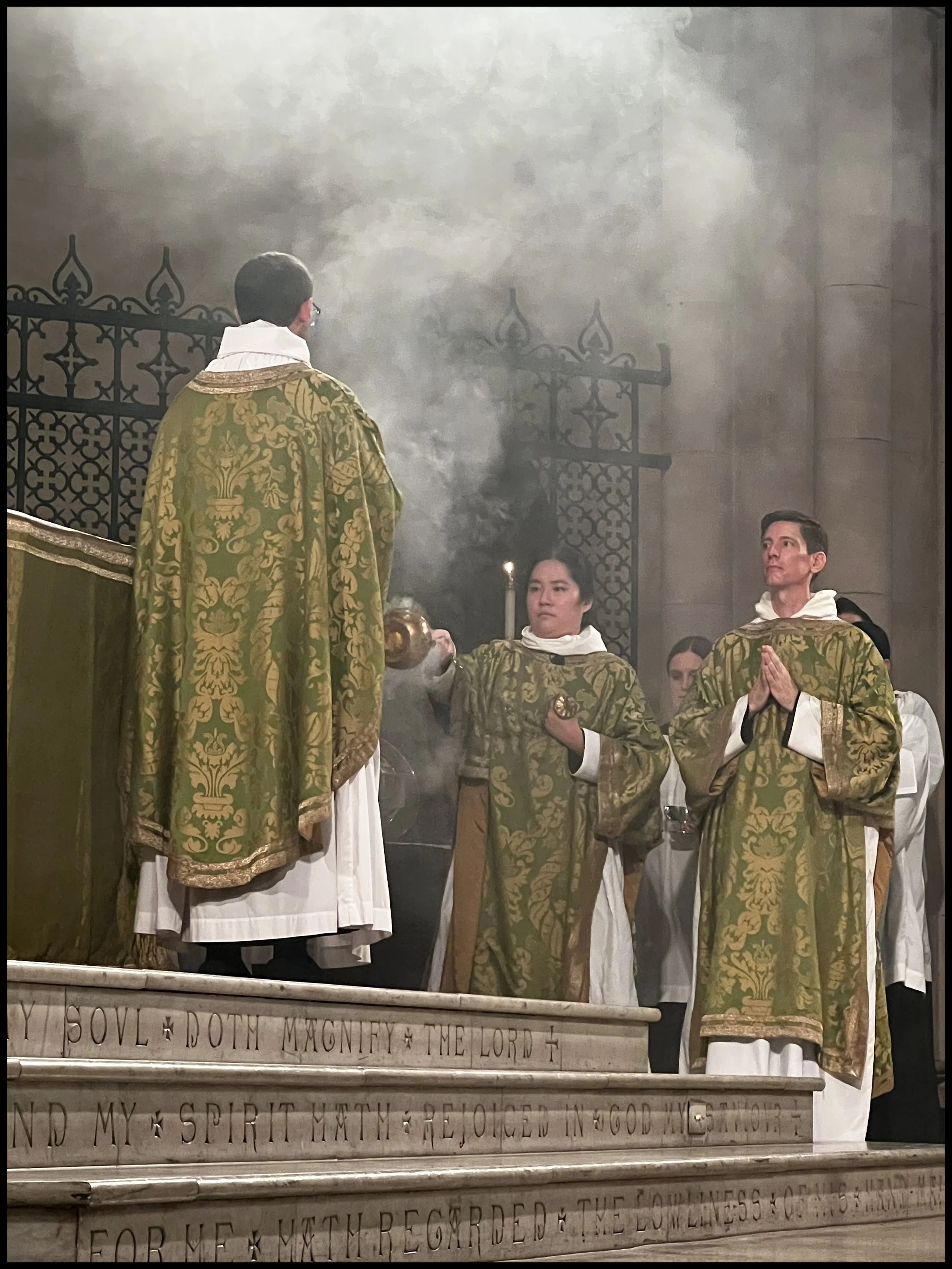
FROM FATHER STEPHEN MORRIS: ON VENERATING RELICS OF THE SAINTS
The Rev. Dr. Sarah Coakley, professor emeritus at Cambridge University, recently asked: “When we venerate the Cross or the relics of the saints—especially the martyrs, those killed for their public preaching or acts of faith—are we assenting to ongoing injustice, violence, or abuse? No—that would be negligence or cowardice. Are we passively accepting the misuse of power? No—that would be masochism.”
Read MoreVolume 28, Number 36
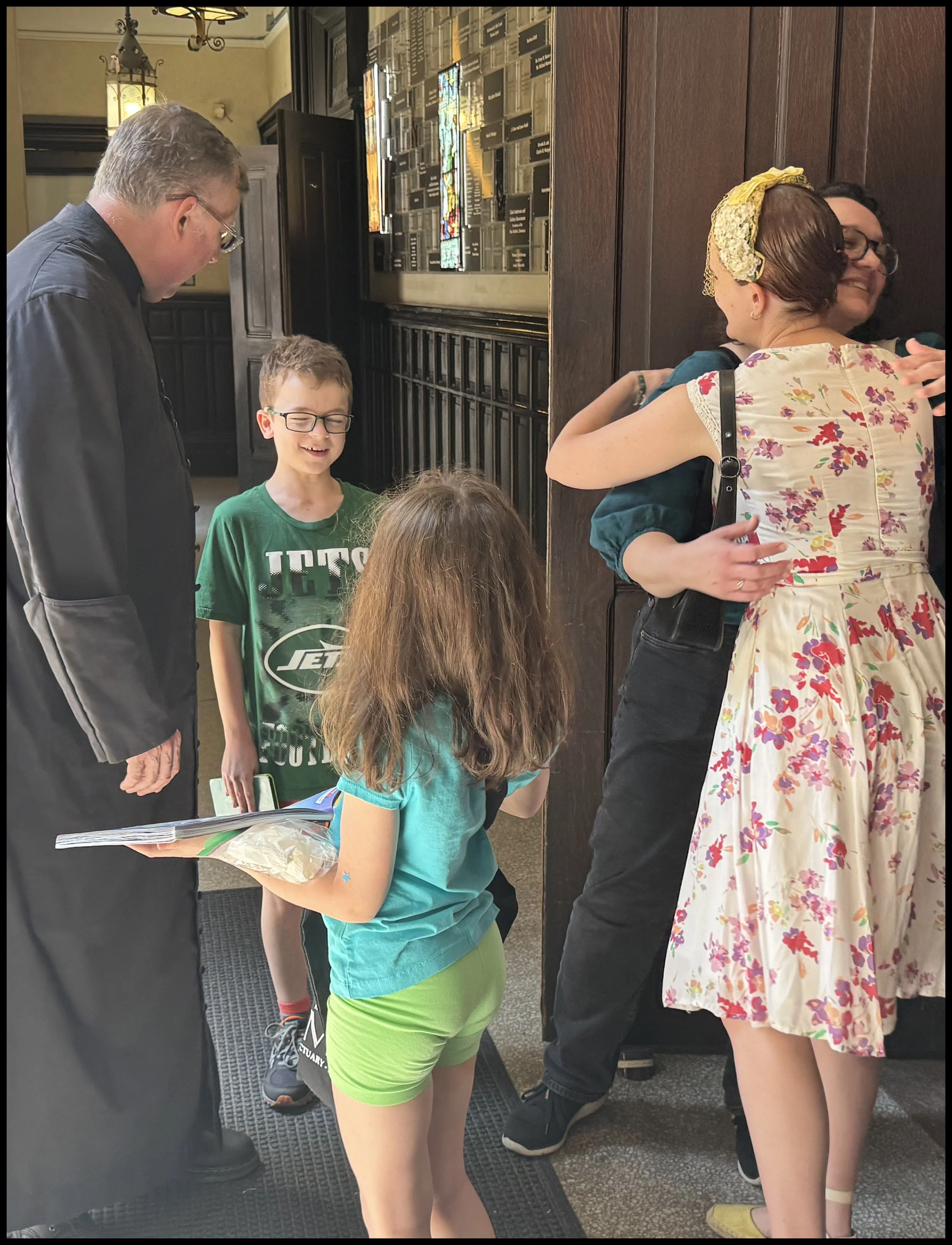
FROM FATHER JAY SMITH: THE PRACTICE OF THE PRESENCE
For thirty-six years, in two separate parishes, I preached, presided, and officiated a lot, and so, it must be said, I also talked a lot. For several reasons, I’ve not been doing much of any of that lately. My life is different now. The rhythm has changed, which means my habits have had to change as well. I’m learning to pray without being in charge.
Read MoreVolume 28, Number 35
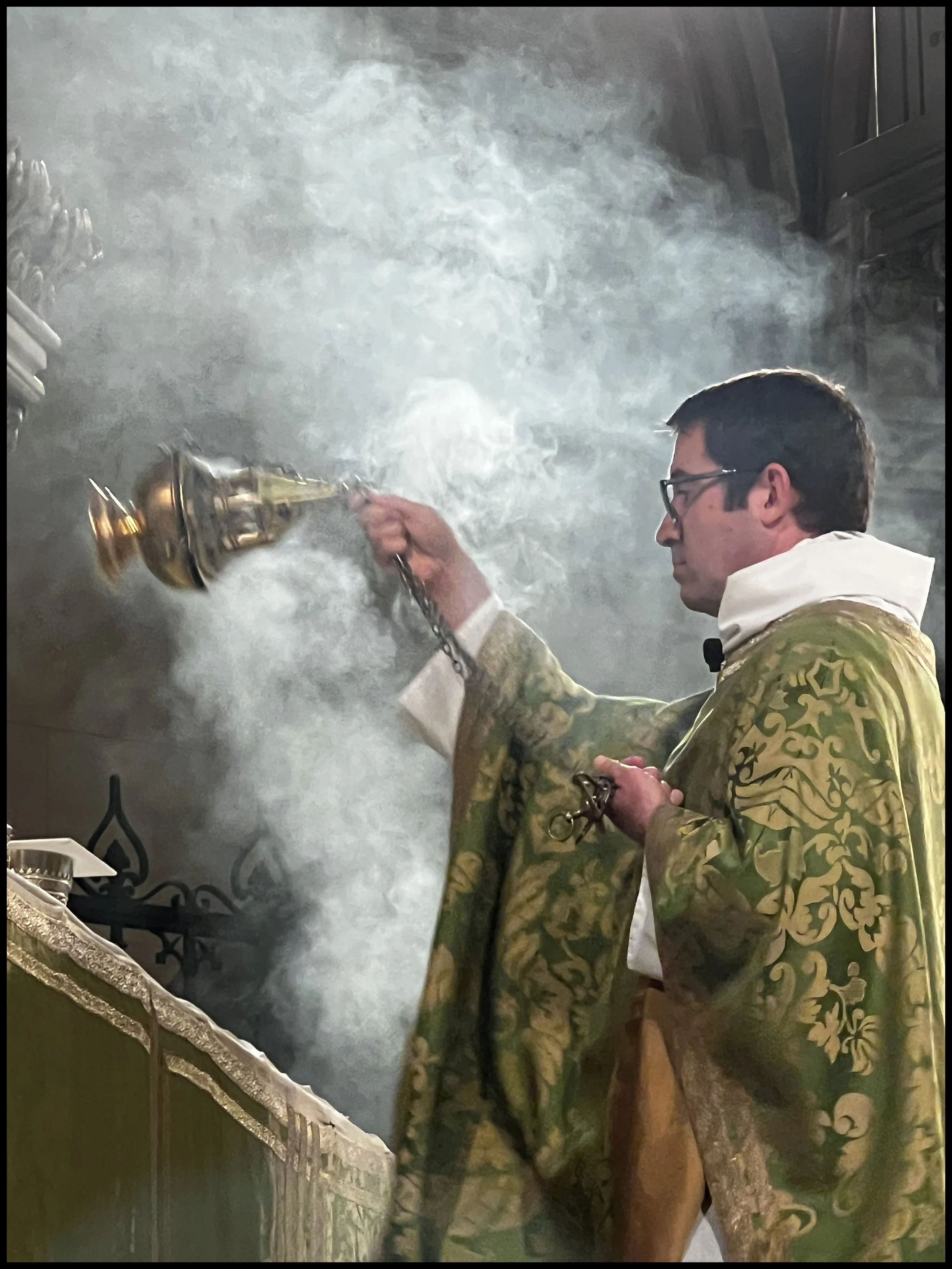
FROM THE VICAR: ON THE PROTEVANGELIUM OF JAMES
The feast of the Parents of the Blessed Virgin Mary falls on this Sunday and so won’t be officially commemorated this year. All Sundays are feasts of Our Lord, and only a limited number of feasts can take precedence of a Sunday. Nevertheless, St. Anne and St. Joachim, Mary’s parents, will be highlighted among the saints in the Prayers of the People.
Read MoreVolume 28, Number 34
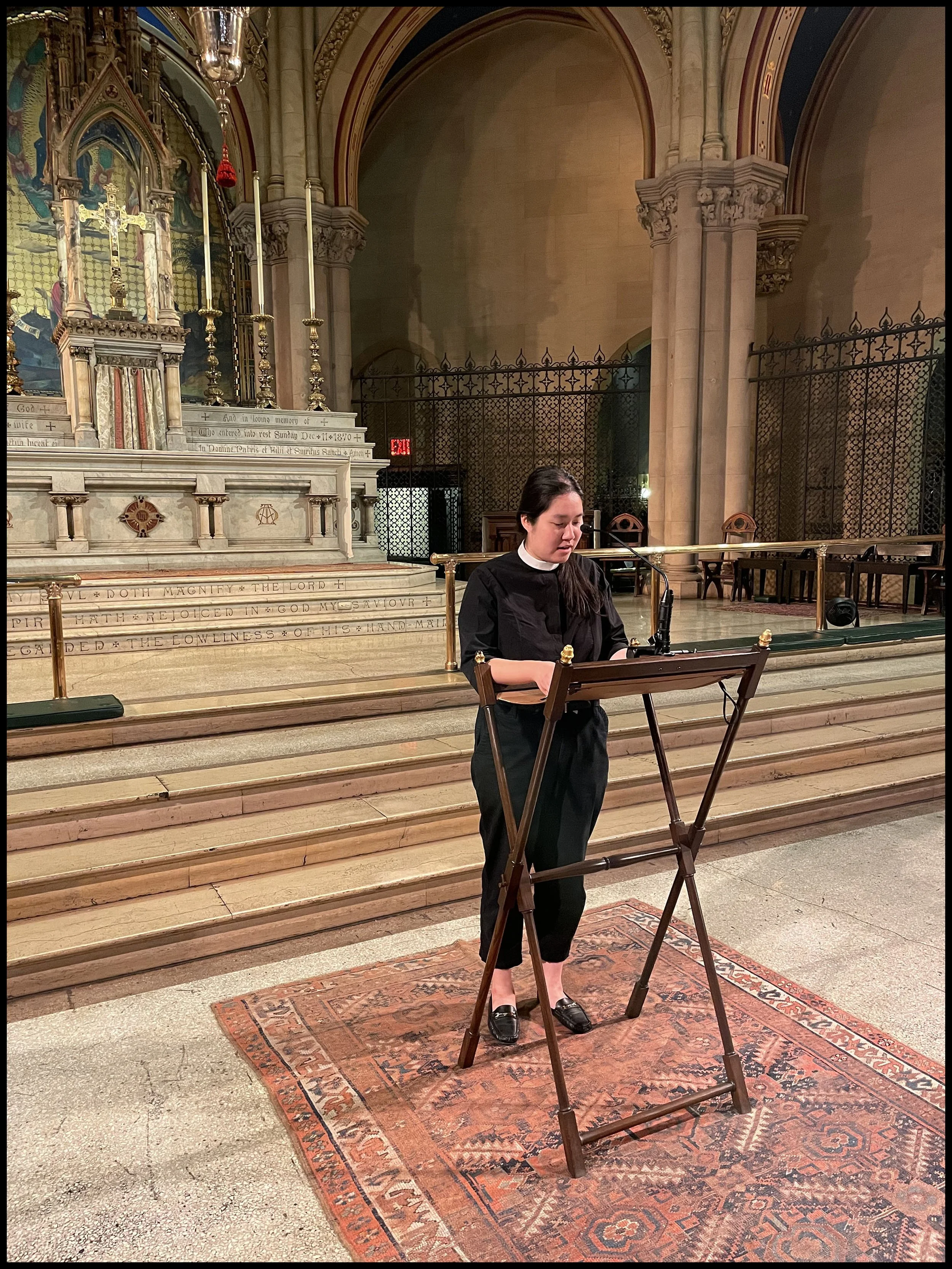
FROM THE CURATE: ON HER PATH TO SAINT MARY’S
Last week, while unpacking, I found myself rereading Ten Decades of Praise by Sister Mary Hilary, CSM. Published in 1965, the book is “the story of the Community of Saint Mary the Virgin in its first century,” as its subtitle purports. They were founded in 1865 in New York City, when Bishop Horatio Potter received the professions of five women. Today, the Benedictine nuns are the oldest extant religious order founded in the Episcopal Church.
Read MoreVolume 28, Number 33
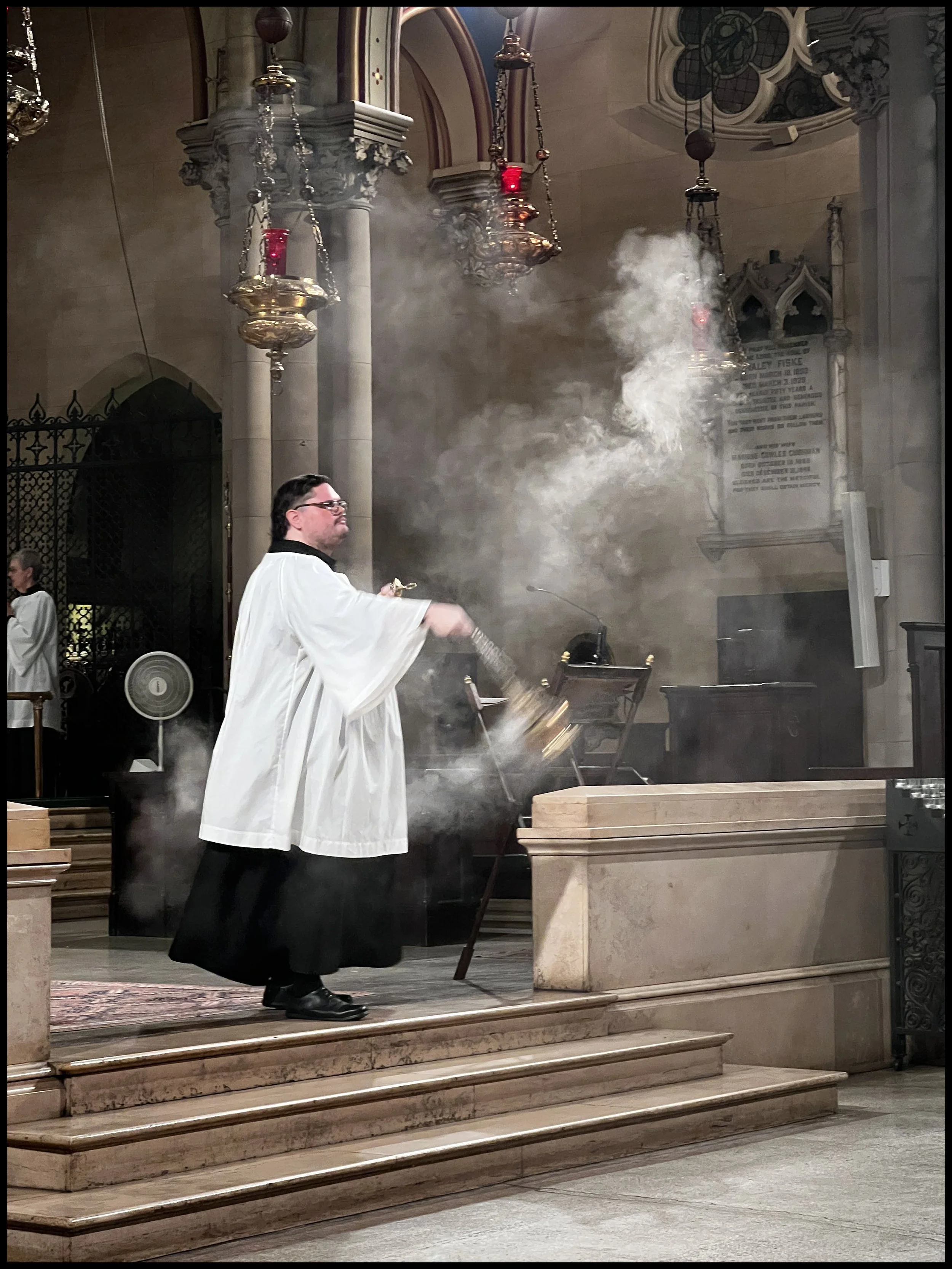
FROM FATHER MORRIS: ON SAINT MARY MAGDALEN
St. Mary Magdalen is a favorite saint among Anglicans. She is said to have been among the first missionaries to arrive in Britain. Both Oxford and Cambridge Universities commemorate her with their ancient and very prestigious (and rich!) Magdalene Colleges.
Read MoreVolume 28, Number 32
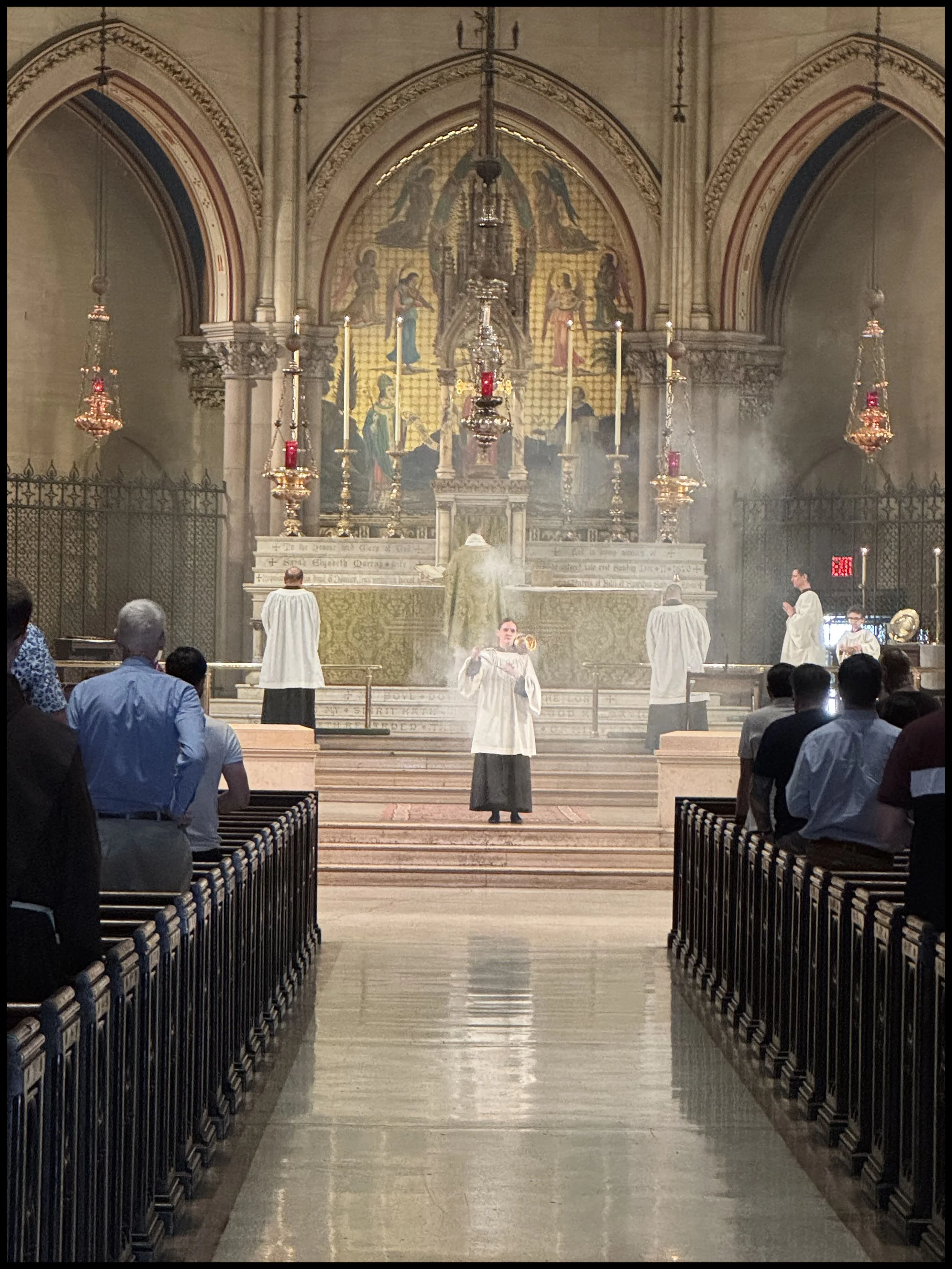
FROM THE RECTOR: ON GROWTH AND STAFFING
Saint Mary’s is growing.
The past few years, we have seen more people praying here on Sundays and throughout the week as we have expanded our liturgical schedule, our formation offerings, and our slate of parish activities. And parish growth presents at once a blessing and a challenge.
Read MoreVolume 28, Number 31
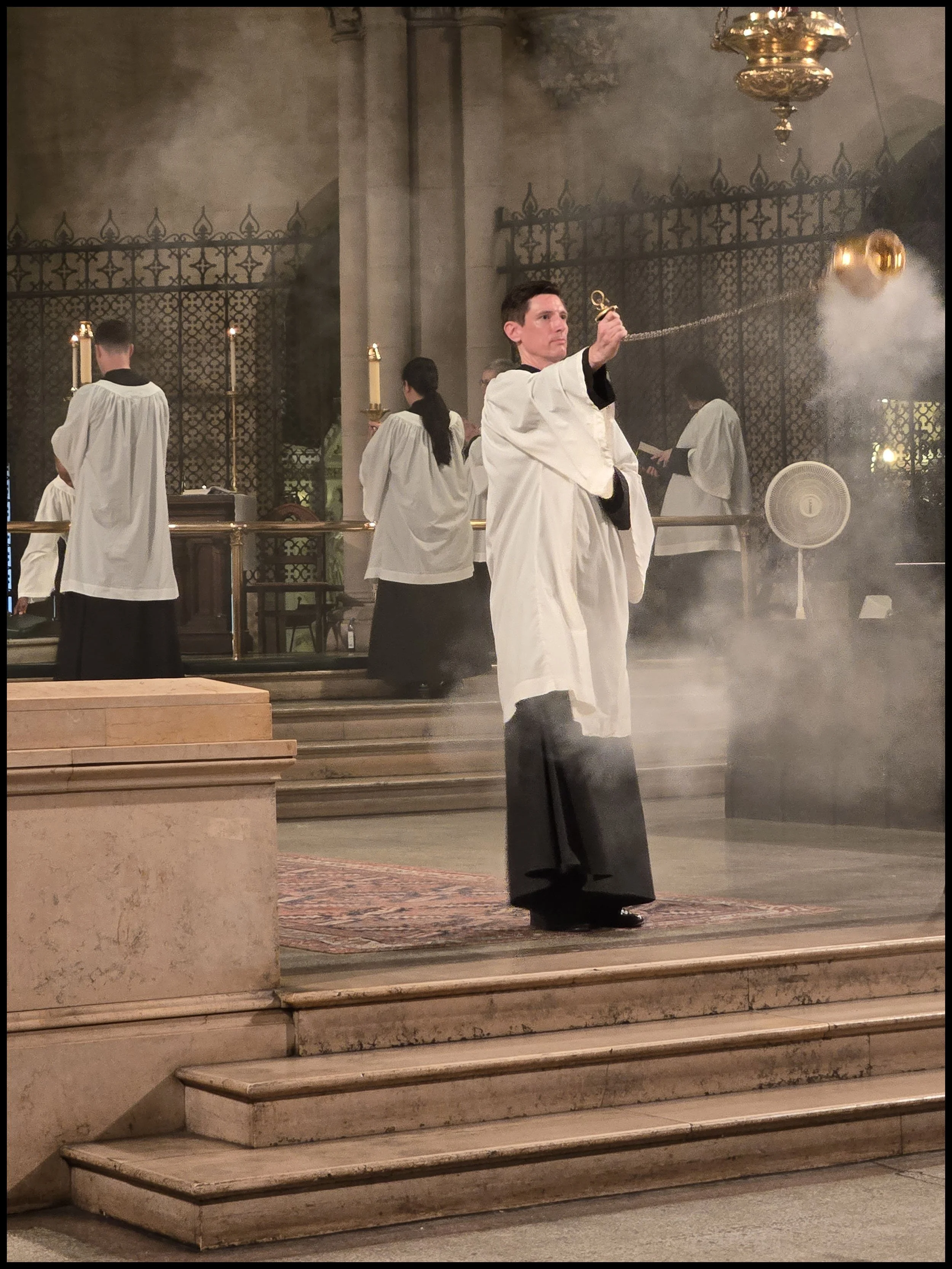
FROM FATHER SPENCER CANTRELL: ON THE SODALITY OF MARY
I’ve been a member of the Sodality of Mary, Mother of Priests since Assumption 2020. Even for me, with a number of years of distance, the mention of the year “2020” brings to the fore some interesting feelings and memories to put it mildly. But among them are some good ones of my entrance into this dispersed community of diocesan priests.
Read MoreVolume 28, Number 30
FROM THE RECTOR: ON READING AND COMMONPLACE BOOKS
A commonplace book should be as unique as a person’s fingerprint—no two ever alike. Part journal, part vision board, part book report, part top-5 lists, these are simply personal notebooks you keep to copy out any ideas or phrases you find interesting or inspiring, maybe tape in a cigar band from your son’s high school graduation, or press a maple leaf from a visit to the Russian Icon Museum in Clinton, MA, in October 2010.
Read MoreVolume 28, Number 29
FROM DR. DAVID HURD AND FR. MATT JACOBSON: ENRICHMENT OF OUR SUMMER MUSIC!
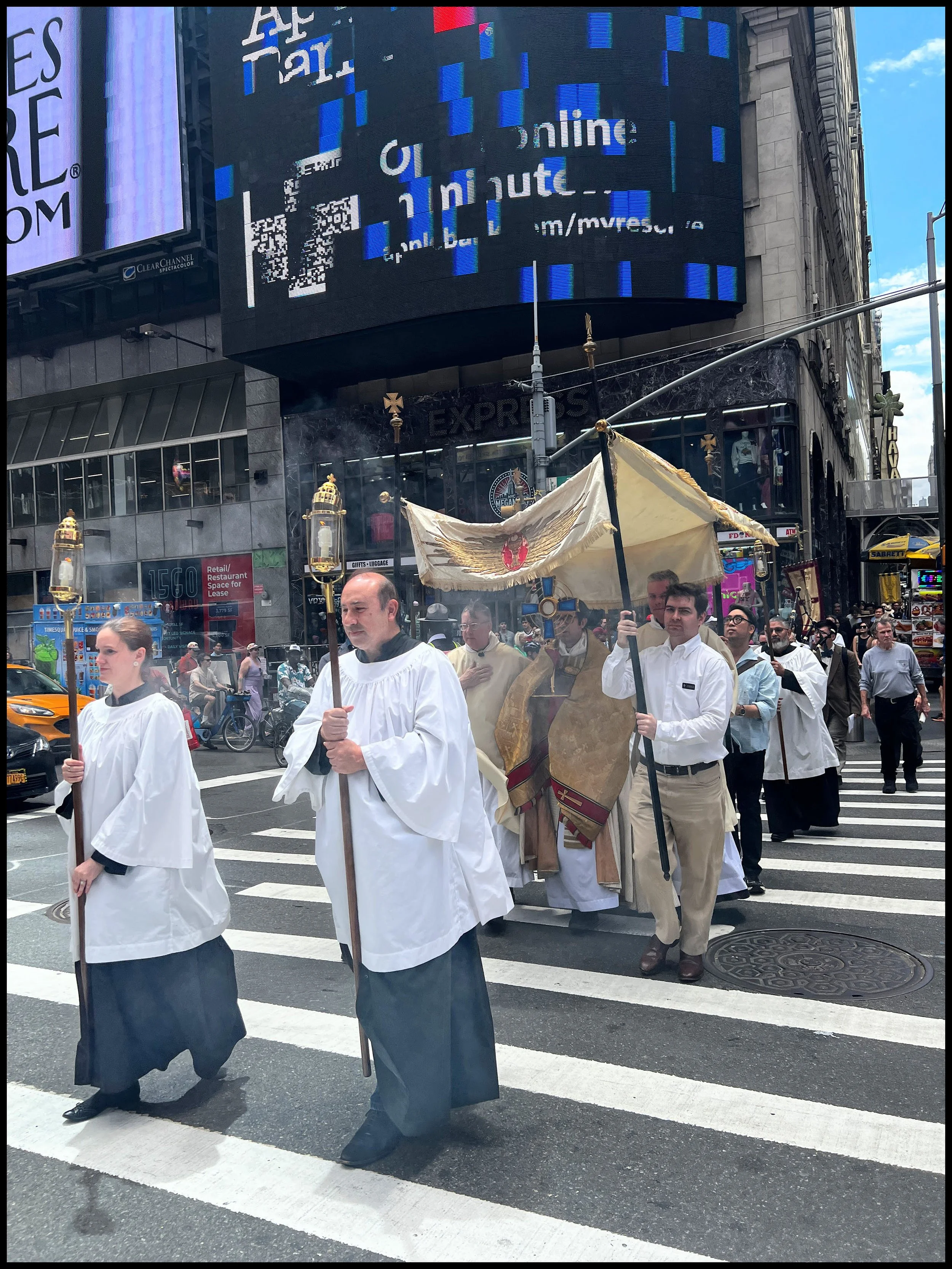
In many past years, the season of choral music at Solemn Mass has extended from October through the program year ending at Corpus Christi. In the intervening weeks, single cantors have sung the chant propers, provided leadership for the congregational singing, and sung sacred solos during communion. This summer, however, at the urging of the clergy and with the generous support of several members of the congregation, choral Masses and motets, in addition to the proper chants, will be sung at Sunday Solemn Masses each week by vocal quartets.
Read MoreVolume 28, Number 28
FROM DEACON ALDEN FOSSETT
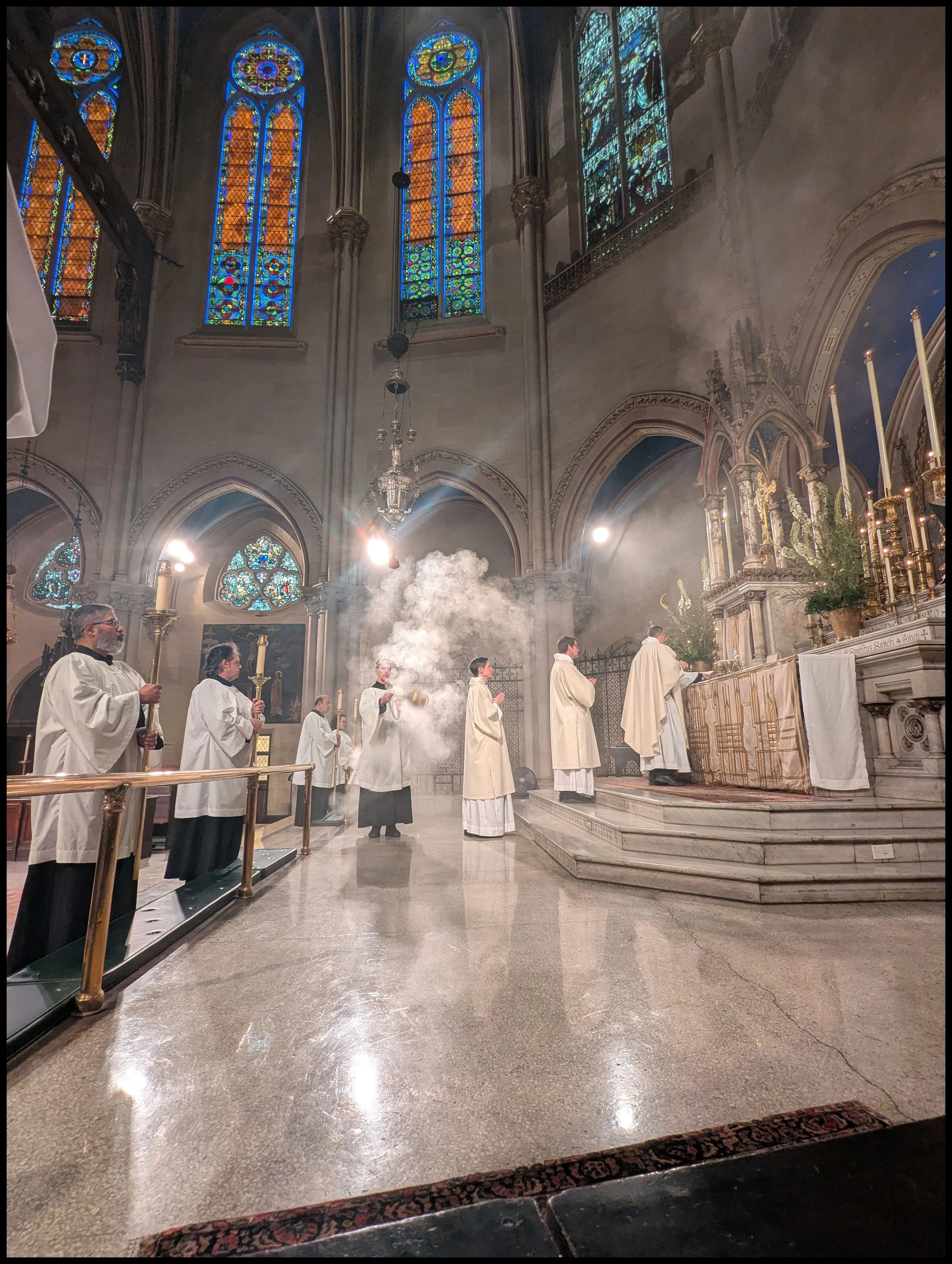
The last few weeks of my life have been filled with significant moments of transition, including my graduation from Yale Divinity School, being ordained to the diaconate, and moving back to Massachusetts. There is still more change on the horizon as I will begin my new job as curate at Saint Paul’s Brookline in a couple of weeks. In this season of beginnings and endings, Psalm 26:8 has been an anchor for me, and it makes me think of you and of the interior of the church. For it was with you in that place that I was blessed enough to encounter God’s glory during worship over the past two years.
Read MoreVolume 28, Number 27
FROM FATHER STEPHEN MORRIS: “YOU GAVE THEM BREAD FROM HEAVEN. CONTAINING IN ITSELF ALL SWEETNESS.”
Dom Basil Nixen, OSB writes in The Last Communion of Saint Jerome:
… the Eucharist is perhaps the greatest expression of God’s extravagant love for us. As the enduring memorial of his Passion and Death on the Cross, it not only makes present for us the Christ who suffered, but fills those who worthily partake of the Eucharistic banquet with the water and blood which flowed from the pierced side of Christ.
Read MoreVolume 28, Number 26
FROM MARYJANE BOLAND ON BEHALF OF THE AIDS WALK TEAM
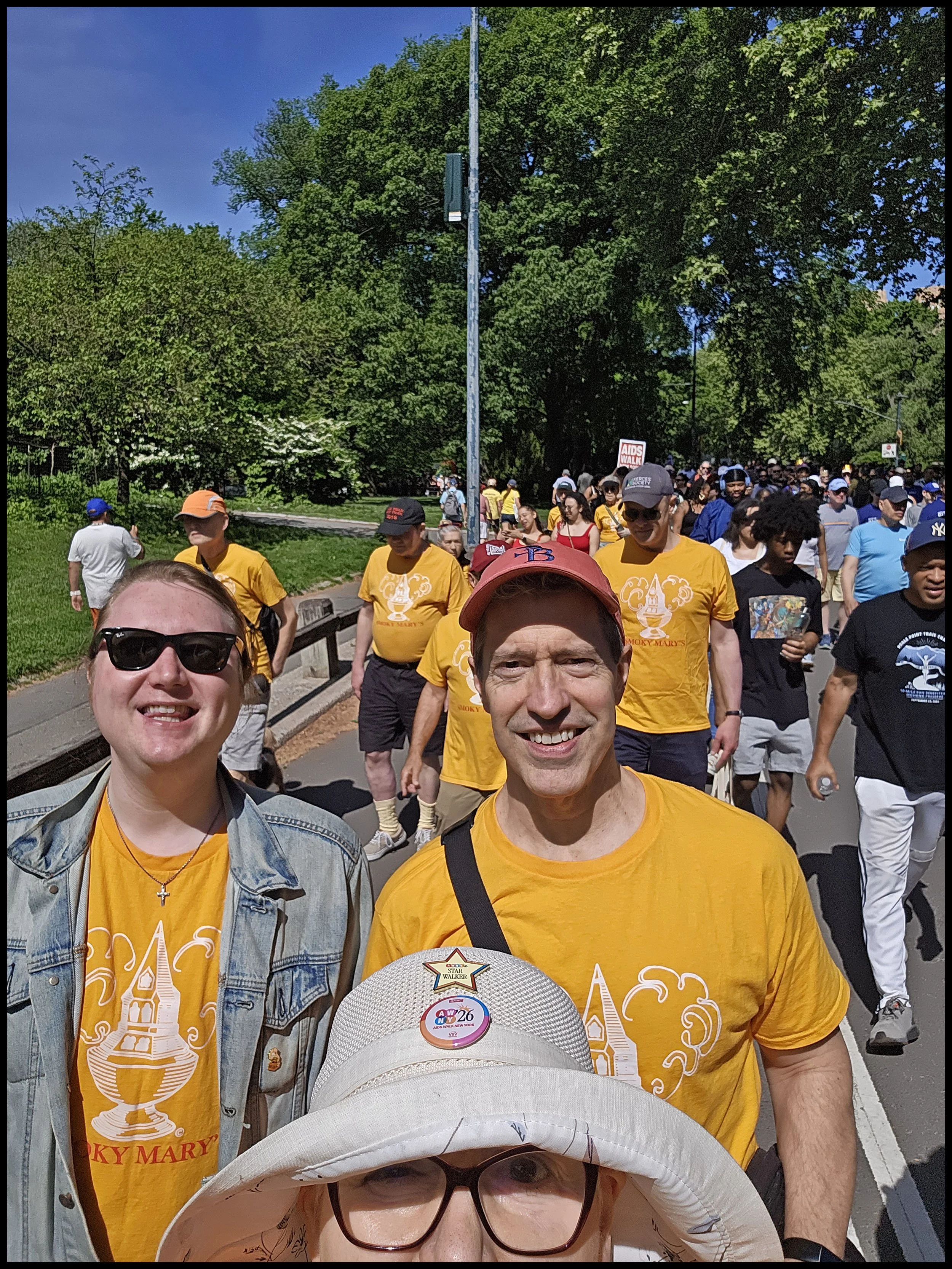
In its 20 years of walking, the Saint Mary’s AIDS Walk team has encountered every kind of weather—heat, cold, wind, rain, humidity—and today was the reward: blue skies with fluffy white clouds and temperatures not yet summer hot. Smoky Mary’s gold tee-shirts were joined by Trinity’s blue shirts and every kind of festive attire.
Read MoreVolume 28, Number 25
FROM CLARK MITCHELL: A NEW CALL
Over the past four years, under the leadership of Father Sammy Wood, Saint Mary’s has experienced both measurable growth and less tangible, but equally meaningful, transformation. Among the measurable signs of vitality are increased attendance, a steady influx of newcomers, and a significant expansion of our programmatic offerings. We have also developed new revenue streams—and more are in the pipeline—while trimming our expenses and making more effective use of our facilities.
Read MoreVolume 28, Number 24
FROM FATHER SAMMY WOOD: STATE OF THE PARISH
The following is adapted from Father Sammy’s report to the Annual Parish Meeting on May 3, 2026.
Thanks to everyone who stuck around after Mass on a Sunday in May for us to all be together for the Annual Parish Meeting of the Church of Saint Mary the Virgin. A few months ago I asked the original co-chairs of the Search Committee to get their team back together and start thinking again about where we are in the process, which led to their meeting with the bishop and his approval of calling a Rector to Saint Mary’s. About that same time, Renee and I began praying as well.
Read More